✓ Headless eCommerce separates the customer-facing 'head' (frontend) from the business logic 'body' (backend).
✓ It uses APIs to communicate between the frontend and backend, offering immense flexibility.
✓ Businesses gain complete control over their customer experience and can innovate faster.
✓ Enables true omnichannel presence by delivering content to any device or platform.
✓ Often leads to faster site performance and improved SEO due to custom frontend optimization.
How It Works
1
Decoupled Architecture
The presentation layer (frontend) is completely separated from the commerce engine (backend). This allows each to be developed and updated independently.
2
API Communication
The frontend communicates with the backend solely through Application Programming Interfaces (APIs). These APIs handle data requests for products, pricing, inventory, and customer information.
3
Custom Frontend Development
Merchants can build a highly customized, unique frontend using modern web technologies. This provides ultimate control over design, user experience, and branding without backend constraints.
4
Omnichannel Delivery
The same backend data can power multiple 'heads' – a website, mobile app, IoT device, social media store, or even in-store kiosks. This ensures consistent data across all customer touchpoints.
Understanding the Core Concept of Decoupled Commerce
Photo: RDNE Stock project / Pexels
To truly grasp what is headless eCommerce, it's essential to understand the fundamental shift it represents from traditional, monolithic eCommerce platforms. In a traditional setup, the frontend (what your customers see and interact with, like your website's design, product pages, and checkout flow) and the backend (the database, product catalog, order processing, inventory management, and payment gateways) are tightly integrated. They are often bundled together as a single, indivisible system. This 'monolithic' approach means that any change to the frontend often requires intricate adjustments to the backend, and vice-versa, making updates slow, complex, and potentially risky. Think of it like a single body with a head that can't be changed without affecting the whole organism.
Headless eCommerce, on the other hand, introduces a 'decoupled' architecture. It completely separates these two layers. The 'head' (the frontend) is detached from the 'body' (the backend). This separation is the cornerstone of its power and flexibility. The backend, often referred to as the 'commerce engine,' focuses solely on managing the core business logic, such as product data, inventory, pricing, customer accounts, and order fulfillment. It acts as a powerful data repository and processing unit, exposing its capabilities through a robust set of APIs (Application Programming Interfaces).
These APIs are the crucial communication bridge. They allow the independently built frontend to 'request' and 'receive' information from the backend. For example, when a customer clicks on a product, the frontend uses an API call to ask the backend for the product's details, images, price, and available stock. The backend responds with this data, and the frontend then renders it beautifully for the user. This clear division of labor means that frontend developers can work on optimizing the user experience, design, and performance without needing to touch the backend infrastructure. Similarly, backend developers can focus on scaling, security, and processing power without worrying about how the data is displayed. This independent development cycle significantly accelerates innovation, reduces dependencies, and allows businesses to embrace specialized tools for each layer, leading to a more efficient and powerful eCommerce ecosystem. Learn more about different eCommerce platforms and their architectures to see how headless stacks up.
The Unparalleled Benefits of Embracing a Headless Approach
Photo: Ivan S / Pexels
The strategic advantages of adopting a headless eCommerce strategy are manifold, addressing many of the pain points experienced by businesses on traditional platforms. One of the most significant benefits is unparalleled flexibility and control over the customer experience. With a headless setup, businesses are no longer constrained by the templated designs or limited functionalities of their eCommerce platform's frontend. They can build a completely custom user interface from scratch, using any modern web technology (like React, Vue, Angular, or even static site generators). This allows for truly unique branding, highly optimized user journeys, and the ability to implement cutting-edge design and interactive features that differentiate them from competitors. This level of customization directly translates to a superior and more engaging customer experience, which is paramount in today's competitive online landscape.
Another critical advantage is speed and performance. Because the frontend can be built using lightweight frameworks and optimized independently, headless sites often load significantly faster. Faster loading times not only improve the user experience, reducing bounce rates and increasing conversions, but also positively impact search engine rankings. Search engines like Google prioritize fast-loading websites, giving headless sites a distinct SEO advantage. Furthermore, the ability to iterate quickly is a game-changer. Frontend changes, A/B tests, and new feature deployments can happen without affecting the stable backend, allowing businesses to react swiftly to market trends, customer feedback, and competitive pressures. This agility fosters continuous innovation and reduces time-to-market for new initiatives.
Omnichannel commerce becomes a reality with headless. Since the backend serves data via APIs, the same product catalog and business logic can power not just your main website, but also mobile apps, progressive web apps (PWAs), in-store kiosks, voice commerce devices (like Amazon Alexa or Google Assistant), social media shopping, and even IoT devices. This ensures a consistent brand experience and data integrity across all customer touchpoints, a crucial element for modern retail success. Businesses are no longer tied to a single 'head' but can deploy their content and commerce capabilities wherever their customers are. This future-proofs your investment, allowing you to adapt to new technologies and customer interaction points as they emerge without undergoing a complete platform overhaul. The ability to integrate seamlessly with best-of-breed third-party services (like advanced CRMs, marketing automation tools, or personalization engines) further enhances the overall ecosystem, allowing businesses to build a truly specialized and powerful tech stack tailored to their specific needs.
When to Consider a Headless Approach for Your Business
Photo: Walls.io / Pexels
While the benefits of headless eCommerce are compelling, it's not a one-size-fits-all solution. Understanding when to consider this advanced architecture is crucial for a successful implementation. Typically, businesses that stand to gain the most from headless are those with complex requirements, a strong focus on unique customer experiences, and a need for extreme flexibility. Enterprise-level businesses or rapidly scaling mid-market companies often find headless to be an ideal fit. If your current monolithic platform is stifling your ability to innovate, personalize, or expand to new channels, then headless is certainly worth exploring.
One key indicator is the need for a highly customized user interface and experience. If off-the-shelf themes or limited customization options are hindering your brand's vision or preventing you from implementing specific design elements, a headless approach grants you full creative control. Similarly, if your business relies heavily on content marketing and aims to seamlessly blend content with commerce, headless allows you to integrate best-of-breed Content Management Systems (CMS) like Contentful, Strapi, or Sanity.io with your eCommerce backend. This creates a powerful 'content-first' or 'experience-driven' commerce strategy, where engaging content can directly drive purchasing decisions without friction.
Another strong signal is the ambition for true omnichannel retail. If your strategy involves selling across a website, mobile app, social commerce, IoT devices, or even physical stores with interactive displays, headless provides the unified backend needed to deliver consistent product information and purchasing capabilities across all these diverse 'heads.' This consistency is vital for building customer trust and streamlining operations. Furthermore, businesses with a dedicated and skilled development team, or the budget to hire one, are better positioned for a headless transition. While the long-term benefits are significant, the initial setup and ongoing management of a headless architecture typically require more technical expertise than a traditional platform. However, the investment often pays off in terms of scalability, performance, and the ability to adapt to future market demands. Developing a robust eCommerce strategy is essential before making such a significant architectural decision.
Navigating the Challenges and Key Considerations for Headless
Photo: ThisIsEngineering / Pexels
While the allure of headless eCommerce is strong, it's vital to approach it with a clear understanding of the potential challenges and critical considerations. This isn't a simple plug-and-play solution, and a successful implementation requires careful planning and resources.
**Key Challenges to Anticipate:**
* **Increased Complexity:** Separating the frontend and backend introduces more moving parts. You'll be managing multiple systems (e.g., eCommerce platform, CMS, separate frontend application, API gateway), which requires a more sophisticated development and maintenance strategy.
* **Higher Initial Development Cost:** Building a custom frontend from scratch typically demands more upfront investment in development resources and time compared to customizing a template on a monolithic platform.
* **Technical Expertise Required:** A headless setup necessitates a strong in-house development team or reliable external partners with expertise in modern web development frameworks, API integration, and potentially multiple programming languages.
* **Integration Overhead:** While APIs offer flexibility, integrating various services (payment gateways, shipping providers, ERPs, CRMs) across a decoupled architecture can be more intricate than within a single, integrated platform.
* **Ongoing Maintenance:** Managing updates, security patches, and performance optimization across multiple independent systems can be more demanding.
**Critical Considerations for Success:**
* **Define Your Business Needs:** Clearly articulate why you need headless. Is it for speed, customization, omnichannel, or a combination? Your specific goals will guide technology choices.
* **Choose the Right Tools:** Select a robust backend eCommerce platform (like Shopify Plus, BigCommerce Enterprise, Commercetools) that offers strong API capabilities. Pair it with a suitable frontend framework and potentially a headless CMS.
* **Invest in a Skilled Team:** Ensure you have access to developers proficient in frontend frameworks, API integration, and potentially DevOps practices.
* **Plan for Integrations:** Map out all necessary third-party integrations and assess their API capabilities and compatibility with your chosen headless stack.
* **Consider Total Cost of Ownership (TCO):** Look beyond initial development costs to include ongoing maintenance, hosting, licensing for multiple services, and developer salaries.
* **Start Small (if possible):** For some businesses, beginning with a specific 'head' (e.g., a PWA for mobile or a content-rich blog) can be a less risky way to test the waters before a full migration.
By acknowledging these factors and planning accordingly, businesses can mitigate risks and fully leverage the transformative power of headless eCommerce.
Comparison
Feature
Headless eCommerce
Monolithic (Traditional) eCommerce
Frontend/Backend
Decoupled (separate)
Tightly coupled (integrated)
Flexibility & Customization
Unlimited, full control
Limited by platform templates
Development Speed
Fast iteration on frontend
Slower, interdependent changes
Omnichannel Support
Excellent, consistent experience
Challenging, often inconsistent
Performance Potential
Very High (custom optimization)
Moderate (platform dependent)
Technical Complexity
Higher (requires expertise)
Lower (out-of-the-box solution)
Initial Cost
Potentially Higher
Generally Lower
Scalability
Highly scalable (microservices)
Can be challenging to scale frontend/backend independently
Integrations
API-driven, best-of-breed
Platform-specific plugins/apps
What Readers Say
★★★★★
"Migrating to a headless architecture completely transformed our site speed and allowed us to create the unique brand experience we always dreamed of. Our conversion rates are up by 15%!"
Sarah J. · Austin, TX
★★★★★
"As a developer, headless eCommerce gives me the freedom to use modern frameworks and deliver amazing UX without being tied to a rigid backend. It's truly empowering for innovation."
Mark D. · New York, NY
★★★★★
"Our omnichannel strategy was struggling with our old platform. Headless allowed us to seamlessly integrate our website, mobile app, and in-store kiosks with consistent data. Sales across all channels have seen a significant boost."
Emily R. · San Francisco, CA
★★★★★
"The initial setup for headless was more involved than we anticipated, requiring a significant investment in development. However, the long-term flexibility and performance gains have made it a worthwhile strategic decision for our growing business."
David L. · Chicago, IL
★★★★★
"Running a content-heavy commerce site, integrating a headless CMS with our eCommerce backend has been a dream. We can now publish engaging content instantly and seamlessly link products, driving more traffic and sales."
Jessica M. · Seattle, WA
Frequently Asked Questions
What is the main difference between headless and traditional eCommerce?
The main difference lies in their architecture. Traditional eCommerce platforms bundle the frontend (customer-facing) and backend (business logic) together, while headless eCommerce completely separates them. This separation in headless allows for independent development and deployment of each layer, offering greater flexibility and customization.
Is headless eCommerce only for large enterprises?
While often adopted by larger enterprises due to their complex needs and resources, headless eCommerce is becoming increasingly accessible to mid-market and even some growing small businesses. If you prioritize unique customer experiences, omnichannel presence, and rapid innovation, it can be a viable option regardless of size, provided you have the technical capabilities or budget.
How do I start transitioning to a headless eCommerce architecture?
Starting a headless transition involves several steps: first, define your business goals and technical requirements. Next, select a robust headless eCommerce platform for your backend and choose a suitable frontend framework (e.g., React, Vue). Then, develop your custom frontend, integrate necessary APIs, and meticulously test before launch. Often, a phased approach is recommended.
Is headless eCommerce more expensive than traditional platforms?
The initial development cost for a headless setup can be higher due to custom frontend development and potential need for specialized developers. However, the long-term total cost of ownership can be lower due to increased efficiency, faster innovation cycles, improved performance, and reduced reliance on expensive platform-specific add-ons. It's an investment in future flexibility and scalability.
How does headless eCommerce improve SEO?
Headless eCommerce improves SEO by allowing for highly optimized frontend performance and speed, which search engines favor. You have full control over HTML, CSS, and JavaScript, enabling precise technical SEO optimizations, faster page load times, and better core web vitals. This customizability leads to a superior user experience that search engines reward.
Who should consider using headless eCommerce?
Businesses that should consider headless eCommerce include those with complex branding requirements, a strong desire for unique customer experiences, plans for omnichannel expansion, a need for rapid innovation and A/B testing, or those struggling with performance and flexibility on monolithic platforms. It's particularly beneficial for brands with dedicated development resources or a clear vision for growth.
What are the security implications of headless commerce?
Security in headless commerce is managed by both the backend platform and your custom frontend. The backend typically handles sensitive data (payments, customer info) with its built-in security. Your frontend needs to be developed with security best practices in mind, including secure API calls, input validation, and protection against common web vulnerabilities. The separation can sometimes enhance security by isolating potential attack vectors.
What are the future trends for headless eCommerce?
Future trends for headless eCommerce include deeper integration with AI and machine learning for personalization, further adoption of Progressive Web Apps (PWAs) for mobile experiences, expansion into new commerce channels like augmented reality (AR) and virtual reality (VR), and the rise of 'composable commerce' where businesses pick and choose best-of-breed services for each part of their tech stack, all powered by APIs.
Ready to unlock unprecedented flexibility, speed, and a truly unique customer experience? Explore how headless eCommerce can revolutionize your online retail strategy and empower your brand for future growth. Take the leap into the next generation of commerce today.
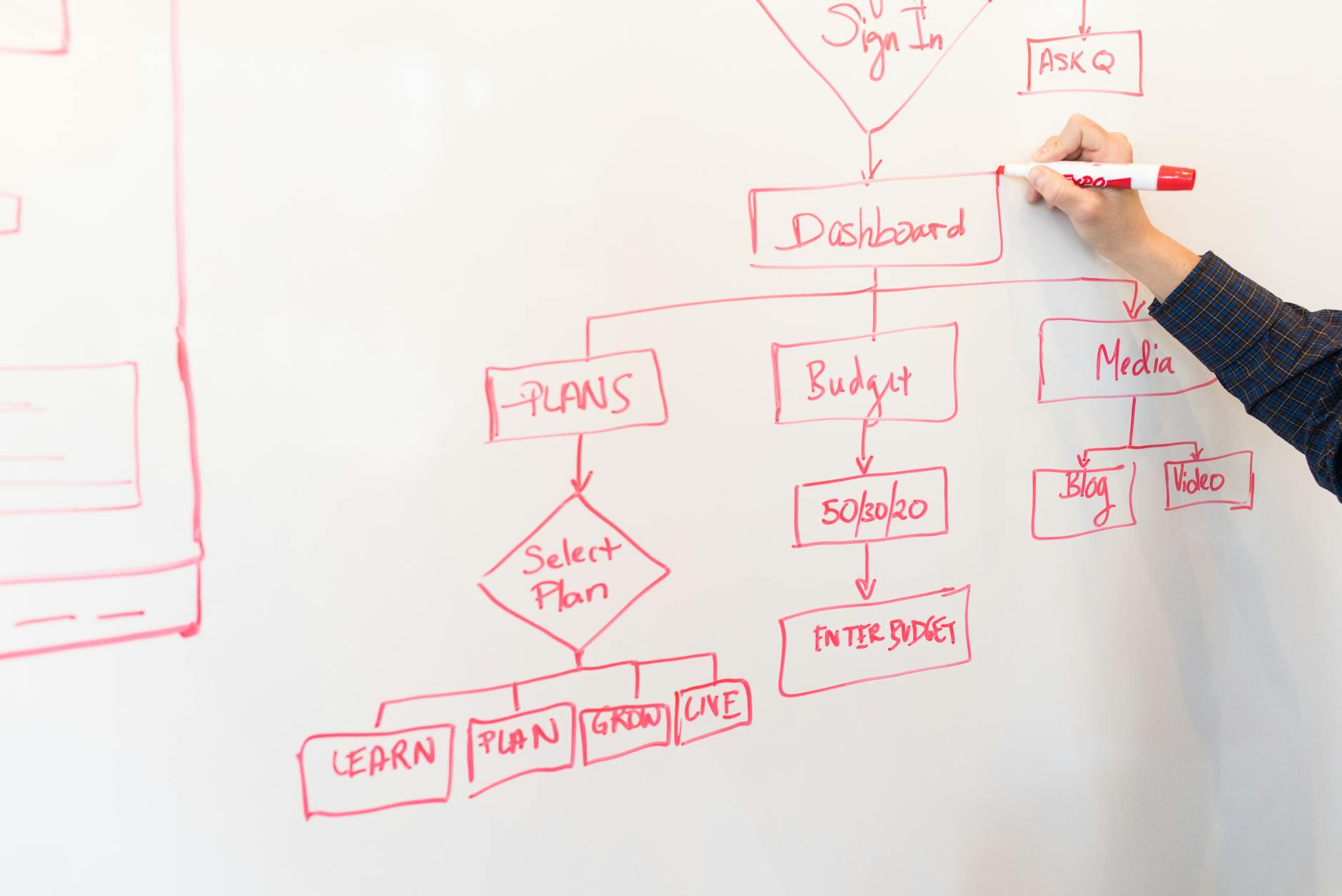
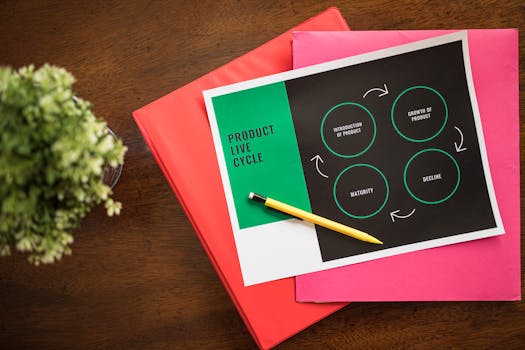 Photo: RDNE Stock project / Pexels
 Photo: Ivan S / Pexels
 Photo: Walls.io / Pexels
 Photo: ThisIsEngineering / Pexels