How to Start an Online Store for Beginners: Your Ultimate Guide
July 28, 2026 15 min read 2,978 words
Unlock the secrets to building a thriving online business from scratch, even with no prior experience.
Start Your E-commerce Journey Now!
Laying the Foundation: Niche, Product, and Business Plan
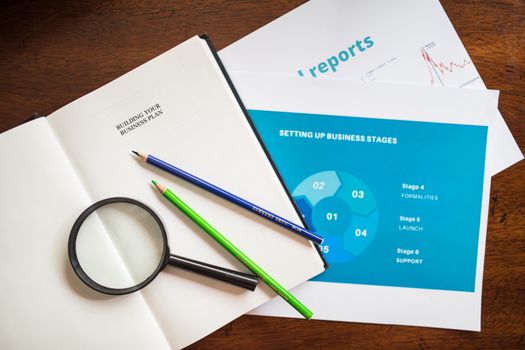 Photo: RDNE Stock project / Pexels
Embarking on the journey of how to start an online store for beginners requires more than just a good idea; it demands a solid foundation. The very first step, and arguably the most crucial, is defining your niche and identifying the products you will sell. A niche isn't just a category; it's a specific segment of a larger market with unmet or underserved needs. For example, instead of 'clothing,' consider 'sustainable activewear for petite women.' This specificity allows you to target your marketing efforts more effectively, build a loyal customer base, and stand out from the competition. Research is paramount here. Dive into market trends, analyze competitor offerings, and most importantly, listen to potential customers. What problems are they facing? What solutions are they seeking? Tools like Google Trends, social media listening, and competitor analysis can provide invaluable insights. Don't be afraid to niche down aggressively; it's often easier to expand later than to try and be everything to everyone from the start.
Once your niche is clear, the product selection follows naturally. Will you sell physical goods or digital products? Will you manufacture your own items, source them from suppliers, or utilize a dropshipping model? Each option has its own set of advantages and disadvantages regarding upfront investment, inventory management, and profit margins. For beginners, dropshipping can be an attractive option as it eliminates the need to hold inventory, significantly reducing initial capital outlay and risk. However, it requires meticulous supplier selection and strong communication skills. Manufacturing your own products offers greater control over quality and branding but demands more time and resources. Consider factors like product demand, seasonality, profit margins, and scalability when making your choice.
Beyond products, a rudimentary business plan, even if informal, is essential. This isn't about writing a 50-page document for investors, but rather a strategic roadmap for yourself. Outline your target audience, analyze your competitors, define your unique selling proposition (USP), and project your startup costs and revenue goals. Understanding your financial landscape from the outset will prevent unwelcome surprises down the line. Think about your brand identity: what values do you want your store to embody? What kind of experience do you want to offer your customers? A strong brand narrative can resonate deeply with your audience and foster loyalty. Finally, before diving into platform selection, ensure you have a clear understanding of the legal requirements for operating an online business in the US, including business registration, tax obligations, and any necessary permits or licenses. Consulting with a small business advisor or attorney can save you headaches later. This foundational work is the bedrock upon which your successful online store will be built, making the subsequent steps much smoother and more purposeful. For more detailed guidance on product selection, check out our guide on
finding profitable e-commerce products.
Choosing Your E-commerce Platform: The Digital Storefront
 Photo: www.kaboompics.com / Pexels
After meticulously defining your niche and products, the next critical step for how to start an online store for beginners is selecting the right e-commerce platform. This platform will be the digital home for your business, handling everything from product display and payment processing to order management and customer interactions. The market is saturated with options, each catering to different needs, budgets, and technical proficiencies. Understanding the pros and cons of the major players is vital to making an informed decision that supports your long-term growth.
Shopify is often the go-to recommendation for beginners due to its user-friendly interface, extensive app store, and comprehensive features. It's an all-in-one solution that covers hosting, security, payment gateways, and marketing tools. While it comes with a monthly subscription fee and transaction fees (unless you use Shopify Payments), its ease of use and scalability make it an excellent choice for those with little to no technical experience. You can quickly set up a professional-looking store, manage inventory, and process orders with minimal fuss. The vast ecosystem of apps allows for customization and integration with various services, from email marketing to dropshipping suppliers.
WooCommerce, a free plugin for WordPress, offers immense flexibility and control, especially if you're already familiar with WordPress. It allows you to build a highly customized store on your own hosting. The main advantage is the sheer freedom and the ability to own all your data. However, this comes with a steeper learning curve and the responsibility of managing your own hosting, security, and updates. While the plugin itself is free, you'll incur costs for hosting, domain names, premium themes, and additional plugins for specific functionalities. WooCommerce is best suited for those who are comfortable with a bit more technical involvement or are willing to invest time in learning.
BigCommerce is another robust, fully hosted solution that rivals Shopify, particularly for larger businesses or those planning rapid scaling. It offers powerful built-in features, advanced SEO tools, and flexible product catalog management without relying as heavily on apps as Shopify. Its pricing tiers can be more expensive, but it often provides more out-of-the-box functionality, reducing the need for additional paid integrations. While user-friendly, it might have a slightly steeper learning curve than Shopify for absolute beginners.
Other platforms like Squarespace and Wix E-commerce are excellent for those prioritizing design aesthetics and simplicity. They offer beautiful templates and drag-and-drop builders, making it easy to create visually stunning stores. However, their e-commerce functionalities might be less extensive than Shopify or BigCommerce, and they might have limitations for advanced features or high-volume sales. They are ideal for small businesses, artists, or creators selling a limited range of products where visual presentation is key. When evaluating platforms, consider factors such as ease of use, pricing (monthly fees, transaction fees, app costs), scalability, customer support, payment gateway options, and available marketing tools. Most platforms offer free trials, allowing you to test them out before committing. Take advantage of these trials to explore interfaces, set up mock products, and get a feel for the platform's capabilities to ensure it aligns with your vision for your online store.
Building Your Online Storefront and Attracting Customers
Photo: www.kaboompics.com / Pexels
Once you've chosen your e-commerce platform, the exciting phase of building your digital storefront begins. This is where your brand comes to life, and your products are showcased to the world. For beginners learning how to start an online store, focus on creating an intuitive, visually appealing, and trustworthy shopping experience. Start by customizing your store's theme or template. Most platforms offer a variety of pre-designed themes, many of which are free or inexpensive. Choose a theme that aligns with your brand aesthetic and ensures mobile responsiveness, as a significant portion of online shopping now occurs on smartphones. Pay attention to colors, fonts, and imagery to create a consistent and professional look. Your logo should be prominently displayed, reinforcing your brand identity.
Next, populate your store with products. High-quality product photography is non-negotiable. Invest in good lighting and clear, detailed images that showcase your products from multiple angles. Consider adding lifestyle shots to help customers visualize themselves using the product. Beyond visuals, compelling product descriptions are crucial. Don't just list features; highlight benefits. What problem does your product solve? How will it improve your customer's life? Use clear, concise language, and optimize descriptions with relevant keywords to improve search engine visibility. Ensure all product variants (sizes, colors, materials) are accurately listed, along with pricing, stock levels, and shipping information. Clear pricing and transparent shipping costs build trust.
Setting up secure payment gateways is another critical step. Offer multiple payment options, such as credit cards (Visa, Mastercard, Amex), PayPal, and potentially Apple Pay or Google Pay, to cater to diverse customer preferences. Ensure your store is SSL certified (most platforms include this), which encrypts data and signals to customers that their personal and financial information is secure. Configure your shipping strategies: decide on flat rates, calculated rates, free shipping thresholds, and international shipping options if applicable. Clearly communicate your return and refund policies, as this significantly impacts customer confidence. Develop an 'About Us' page that tells your brand story, a 'Contact Us' page with multiple ways to reach support, and a comprehensive FAQ section to address common queries.
With your store built, the final, continuous step is attracting customers. This involves a multi-faceted marketing approach. Search Engine Optimization (SEO) is vital; ensure your product titles, descriptions, and blog content use relevant keywords to rank higher in search results. Social media marketing on platforms like Instagram, Facebook, and TikTok allows you to connect with your target audience, showcase products, and run targeted ad campaigns. Email marketing is incredibly effective for nurturing leads, announcing new products, and running promotions. Consider content marketing through a blog, sharing valuable information related to your niche. Don't forget about paid advertising options like Google Ads or social media ads, which can provide immediate visibility. Starting with a clear marketing strategy, focusing on channels where your target audience spends their time, and consistently analyzing your results will be key to driving traffic and converting visitors into loyal customers. For a deeper dive into marketing strategies, explore our guide on
effective e-commerce marketing tactics.
Common Pitfalls and Essential Tips for Beginner Online Store Owners
 Photo: Ivan S / Pexels
Launching an online store is an exciting venture, but beginners often encounter common pitfalls that can hinder success. Being aware of these challenges and implementing proactive strategies can make a significant difference in your journey. One of the most frequent mistakes is neglecting market research. Many new entrepreneurs fall in love with an idea without verifying if there's sufficient demand or if the market is already saturated. This leads to wasted time and resources on products nobody wants. Always validate your product idea before committing fully.
Another common error is underestimating the importance of marketing. Building a beautiful store is only half the battle; if no one knows it exists, you won't make sales. Many beginners expect customers to magically appear. You must actively promote your store through various channels, whether it's social media, SEO, email marketing, or paid ads. A related pitfall is failing to understand your target audience. Without knowing who you're selling to, your marketing efforts will be scattered and ineffective. Develop detailed buyer personas to guide your messaging and promotions.
Poor customer service is a quick way to alienate your audience and damage your brand reputation. Slow response times, unhelpful replies, or difficult return processes can lead to negative reviews and lost business. Prioritize clear communication, prompt support, and fair policies. Similarly, unclear shipping and return policies can cause confusion and frustration. Be transparent about costs, delivery times, and the return process from the outset.
**Essential Tips for Success:**
* **Start Small and Scale:** Don't try to launch with 100 products. Begin with a curated selection, test the market, and then expand your offerings based on demand and feedback.
* **Focus on Niche:** As discussed, a specific niche helps you stand out and target your marketing more efficiently.
* **Invest in Quality Visuals:** Professional product photos and a well-designed website are crucial for building trust and attracting customers.
* **Master One Marketing Channel First:** Instead of spreading yourself thin across every social media platform, pick one or two where your audience is most active and become proficient there before expanding.
* **Collect and Act on Feedback:** Customer reviews, testimonials, and direct feedback are invaluable. Use them to improve your products, services, and overall customer experience.
* **Monitor Your Analytics:** Understand your website traffic, conversion rates, and sales data. This data is critical for making informed business decisions and optimizing your store.
* **Stay Persistent and Adaptable:** The e-commerce landscape is constantly evolving. Be prepared to learn, adapt, and pivot your strategies as needed. Success rarely happens overnight.
* **Legal Compliance:** Ensure you understand and comply with all relevant legal requirements, including business registration, tax obligations, and consumer protection laws in the US. This protects both you and your customers.
By avoiding these common mistakes and implementing these tips, you'll be much better equipped to navigate the challenges of launching an online store and build a sustainable, profitable e-commerce business.