Master how to reduce abandoned cart rate & boost sales
reduce abandoned cart rate

Master how to reduce abandoned cart rate & boost sales

Unlock the secrets to recapturing lost revenue and creating a seamless shopping experience that converts.

Start Recovering Sales

Key Takeaways

  • ✓ The average global abandoned cart rate is nearly 70%, representing massive lost revenue potential.
  • ✓ Sending well-timed abandoned cart emails can recover 10-20% of lost sales.
  • ✓ Unexpected shipping costs are the number one reason for cart abandonment.
  • ✓ Optimizing checkout for mobile devices can significantly reduce abandonment rates.

How It Works

1
Identify Key Drop-Off Points

Analyze your analytics to pinpoint exactly where customers are leaving your checkout process. This data is crucial for targeted improvements.

2
Address Common Objections

Implement solutions for high shipping costs, complex forms, and lack of trust signals. Proactively remove friction from the buying journey.

3
Implement Recovery Tactics

Set up automated abandoned cart email sequences and retargeting ads. These gentle reminders can bring customers back to complete their purchase.

4
Continuously Test & Optimize

A/B test different elements of your checkout flow and recovery messages. Data-driven adjustments lead to sustained improvements in conversion rates.

Understanding the Root Causes of Cart Abandonment in E-commerce

A miniature shopping cart placed on a laptop keyboard symbolizing online shopping and e-commerce. Photo: SiljeAO - / Pexels
In the competitive landscape of e-commerce, a high abandoned cart rate can feel like a constant drain on your potential revenue. It’s a frustrating scenario: a customer shows interest, adds items to their cart, and then, at the crucial moment, they disappear. Before we can effectively implement strategies on how to reduce abandoned cart rate, it's vital to understand why it happens in the first place. The reasons are multifaceted, ranging from technical glitches to psychological barriers, and identifying them is the first step towards recovery and optimization. One of the most significant culprits, consistently cited across various studies, is unexpected shipping costs. Customers often proceed to checkout assuming a certain price, only to be hit with additional fees for shipping, handling, or taxes. This sudden increase can be a deal-breaker, leading to instant abandonment. Transparency about these costs upfront, or even offering free shipping, can dramatically mitigate this issue. Another major factor is a complicated or lengthy checkout process. In today's fast-paced digital world, consumers expect efficiency. If your checkout requires too many steps, excessive form fields, or forced account creation, you're creating unnecessary friction. Each extra click or piece of information requested increases the likelihood of a customer giving up. Lack of trust and security concerns also play a pivotal role. Customers are entrusting you with their personal and financial information. If your website lacks visible security badges, clear privacy policies, or customer reviews, they might feel uneasy completing the purchase. Similarly, limited payment options can deter buyers. Not everyone uses the same credit card, and many prefer digital wallets like PayPal, Apple Pay, or Google Pay. Offering a diverse range of secure payment methods caters to a wider audience and removes a potential barrier. Beyond these practical considerations, there are also behavioral and psychological reasons. Customers might be simply browsing, comparing prices, or saving items for later. They might get distracted, or their internet connection might fail. Sometimes, they encounter a better deal elsewhere or realize they don't truly need the item. For businesses, distinguishing between genuine abandonment and casual browsing is crucial for tailoring effective recovery strategies. Understanding these diverse reasons is the bedrock upon which successful cart abandonment reduction strategies are built. By systematically addressing each potential pain point, businesses can create a more seamless and trustworthy shopping experience, ultimately leading to higher conversion rates and a healthier bottom line. The goal isn't just to recover lost sales, but to prevent them from becoming 'lost' in the first place by refining the entire customer journey.

Optimizing Your Checkout Flow for Maximum Conversions

Mobile phone displaying Stripe app on a laptop with an eCommerce site open, symbolizing online shopping. Photo: Julio Lopez / Pexels
The checkout process is the final hurdle between a browsing customer and a completed sale. Optimizing this flow is paramount to learning how to reduce abandoned cart rate effectively. Every element, from the navigation to the final confirmation page, needs to be streamlined, intuitive, and reassuring. Start by auditing your current checkout process from a customer's perspective. Go through it yourself, and ideally, have others do so, identifying any points of confusion, frustration, or unnecessary steps. One of the most impactful changes you can make is to simplify the form fields. Only ask for essential information. Do you really need their fax number? Probably not. Use auto-fill features and address validation to speed up data entry. Consider offering a guest checkout option, as forced account creation is a significant deterrent. While collecting customer data is valuable, it shouldn't come at the expense of a sale. You can always encourage account creation post-purchase or offer incentives later. Visual cues and progress indicators are also incredibly helpful. A clear progress bar that shows customers how many steps are left can reduce anxiety and keep them engaged. Label each step clearly (e.g., "Shipping," "Payment," "Review"). Ensure your navigation is consistent and minimal during checkout; avoid distracting links that could lead customers away from completing their purchase. Security is non-negotiable. Display trust badges prominently, such as SSL certificates, payment gateway logos, and recognized security seals. Reassure customers that their data is safe. Clearly state your return policy and customer service contact information. This transparency builds confidence and reduces perceived risk. Mobile optimization is no longer optional; it's a necessity. A significant percentage of online shopping now happens on mobile devices. Ensure your checkout pages are fully responsive, with large, tappable buttons, easy-to-read text, and forms that are simple to complete on smaller screens. Test the entire flow on various devices to catch any glitches. Finally, offer multiple, popular payment options. Beyond standard credit cards, integrate digital wallets like PayPal, Apple Pay, Google Pay, and potentially buy-now-pay-later services if they align with your product and customer base. The easier it is for customers to pay with their preferred method, the less likely they are to abandon their cart. By meticulously refining each aspect of your checkout, you transform a potential obstacle course into a smooth, frictionless path to purchase, significantly improving your conversion rates and directly addressing how to reduce abandoned cart rate.

Proactive Strategies to Prevent Abandonment Before It Happens
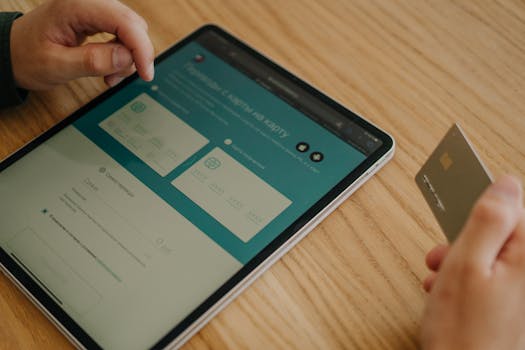
Hands making an online purchase using a tablet and credit card on a wooden table. Photo: Tima Miroshnichenko / Pexels
While recovering abandoned carts is crucial, the most effective strategy on how to reduce abandoned cart rate is to prevent them from happening in the first place. This involves a proactive approach, identifying potential friction points early in the customer journey and addressing them head-on. By creating a transparent, user-friendly, and value-driven experience from the moment a customer lands on your site, you can significantly decrease the likelihood of them leaving items behind. One of the primary prevention tactics is transparent pricing. As mentioned, unexpected costs are a huge abandonment trigger. Be upfront about all potential costs, including shipping and taxes, as early as possible. If feasible, offer free shipping, as this is a powerful incentive and removes a major barrier. If free shipping isn't viable for all orders, clearly state the minimum order value required to qualify or offer flat rates. Use shipping cost calculators on product pages or in the cart itself so customers can see the total before they even initiate checkout. Another powerful preventative measure is leveraging social proof and customer reviews. Shoppers rely heavily on the experiences of others. Integrate genuine product reviews, testimonials, and user-generated content directly on product pages. Displaying star ratings prominently and allowing customers to filter reviews can build immediate trust and confidence. This reduces uncertainty and validates their purchasing decision, making them less likely to second-guess themselves at checkout. Enhanced product information and high-quality visuals also play a vital role. Customers want to feel confident about what they're buying. Provide detailed product descriptions, multiple high-resolution images, 360-degree views, and even videos. Answer common questions directly on the product page (e.g., sizing guides, material specifics). The more information they have, the less likely they are to seek it elsewhere or feel unsure, which could lead to abandonment. Offer excellent customer support throughout the shopping journey. Integrate live chat options on product and cart pages. A quick answer to a question about a product feature or shipping detail can be the difference between a sale and an abandonment. Make contact information easily accessible. Proactive customer service demonstrates reliability and a commitment to customer satisfaction. Finally, consider exit-intent pop-ups. While sometimes seen as intrusive, when used strategically, these can capture a visitor's attention just as they're about to leave. Offer a small discount, a free shipping code, or a reminder of items in their cart. This provides one last opportunity to re-engage them and nudge them towards completing their purchase, acting as a final preventative measure in your arsenal on how to reduce abandoned cart rate. Effective e-commerce prevention starts long before the checkout page.

Mastering Cart Recovery Strategies: Turning Abandonment into Sales

Close-up of a toy shopping cart on a vivid yellow surface, casting shadows. Photo: Sergey Meshkov / Pexels
Even with the best preventative measures, some customers will inevitably abandon their carts. This is where robust cart recovery strategies come into play, offering a second chance to convert these hesitant shoppers. Mastering these tactics is a crucial part of how to reduce abandoned cart rate and reclaim significant revenue that would otherwise be lost. **1. Automated Abandoned Cart Email Sequences:** This is perhaps the most effective recovery tool. Don't send just one email; create a sequence. * **Email 1 (30-60 minutes after abandonment):** A friendly reminder that they left items in their cart. Reiterate the product benefits and include a direct link back to their cart. Keep it simple and helpful. * **Email 2 (12-24 hours after abandonment):** A follow-up that might address common objections. Offer a small incentive (e.g., 5-10% discount, free shipping for a limited time) or highlight customer reviews for the abandoned products. * **Email 3 (48-72 hours after abandonment):** A final reminder, perhaps creating a sense of urgency (e.g., "items are selling fast," "offer expires soon"). Reiterate your value proposition and customer support. **Key Email Best Practices:** * **Personalization:** Address the customer by name and include specific products from their cart. * **Clear Call-to-Action (CTA):** A prominent button leading directly back to the cart. * **Strong Subject Lines:** Make them enticing and relevant (e.g., "Did you forget something?", "Your Cart Misses You!"). * **Visual Appeal:** Use product images to remind them what they were interested in. * **Trust Signals:** Include security badges, return policy, and customer service contact. **2. Retargeting Ads:** Use platforms like Google Ads and social media (Facebook, Instagram) to show targeted ads to visitors who abandoned their cart. These ads can feature the exact products they viewed or added to their cart, reminding them of their interest. You can also use these ads to offer limited-time discounts to entice them back. The visual nature and broad reach of retargeting can be highly effective. **3. Push Notifications:** For customers who have opted in, browser push notifications can be a powerful, non-intrusive way to send a quick reminder about their abandoned cart. These are immediate and can cut through email clutter. **4. Live Chat / Chatbots:** If a customer is still on your site but lingering on the cart page, a proactive live chat pop-up asking if they need assistance can resolve real-time issues and prevent abandonment. Chatbots can also be programmed to offer assistance or simple incentives if a customer indicates they are about to leave. **5. SMS Reminders:** For customers who opt-in to SMS marketing, a short, direct text message reminding them of their cart and linking back to it can be incredibly effective, especially given the high open rates of text messages. By layering these recovery strategies, you create multiple touchpoints to re-engage customers and gently guide them back to completing their purchase. Each strategy works synergistically to maximize your chances of converting an abandoned cart into a successful sale, making a significant impact on how to reduce abandoned cart rate.

Comparison

FeatureAbandoned Cart EmailsRetargeting AdsExit-Intent Pop-upsLive Chat Support
Cost-EffectivenessHigh (after initial setup)Medium (pay-per-click)High (often built-in)Medium (staffing/software)
DirectnessVery High (personal inbox)Medium (appears in feed)High (on-site immediate)High (real-time interaction)
Personalization PotentialVery High (product-specific)High (product-specific)Medium (general incentive)Very High (specific questions)
Urgency Creation
Requires Opt-inEmail (for sequence)No (cookie-based)No (browser-based)No (on-site)
Impact on Abandonment RateSignificantSignificantModerate to HighModerate

What Readers Say

"Implementing the abandoned cart email sequence from this guide transformed our sales. We went from losing 70% of carts to recovering nearly 18% of them within a month. It's truly eye-opening!"

Sarah L. · Austin, TX

"The advice on simplifying our checkout process was invaluable. We reduced our form fields by half and immediately saw a drop in abandonment. Our customers appreciate the speed and ease."

Mark D. · Miami, FL

"After following the tips on transparent pricing and trust badges, our conversion rate jumped by 5%. This guide gave us actionable steps that delivered measurable results quickly."

Jessica R. · Denver, CO

"While the email strategies were fantastic, the mobile optimization section really hit home for us. We still have some work to do there, but the initial changes have already made a difference."

David S. · Chicago, IL

"As a small business owner, I was overwhelmed by cart abandonment. This article broke down complex strategies into easy-to-understand steps, helping me recover sales without a huge marketing budget."

Emily C. · Seattle, WA

Frequently Asked Questions

What is the average abandoned cart rate I should aim for?

While the global average hovers around 70%, a 'good' abandoned cart rate varies by industry. Generally, aiming for anything below 60% is considered good, and continuously striving to reduce it through optimization is key. Focus on consistent improvement rather than a single benchmark.

Is offering discounts in abandoned cart emails always a good idea?

Not necessarily always. While discounts can be effective, they can also train customers to abandon carts expecting a discount. Consider offering discounts in later emails in a sequence, or only to specific segments. Test different approaches to see what works best for your audience and brand value.

How quickly should I send the first abandoned cart email?

The consensus is to send the first email relatively quickly, ideally within 30-60 minutes of abandonment. This catches the customer while their interest is still fresh. Waiting too long decreases the likelihood of recovery, as they might have moved on or purchased elsewhere.

What tools can help me track and recover abandoned carts?

Many e-commerce platforms (like Shopify, WooCommerce, BigCommerce) have built-in abandoned cart recovery features. Additionally, email marketing services (e.g., Klaviyo, Mailchimp), CRM platforms, and specialized abandoned cart software offer advanced automation, personalization, and analytics capabilities to help you manage the process.

How do I know if my checkout process is too long or complicated?

Analyze your Google Analytics or e-commerce platform's funnel reports. Look for significant drop-off points between checkout steps. Conduct user testing to observe real customers navigating your checkout. Ask for feedback, and compare your process to competitors known for excellent checkout experiences.

Who should prioritize learning how to reduce abandoned cart rate?

Any e-commerce business, regardless of size, that is experiencing customers adding items to their cart but not completing purchases should prioritize reducing their abandoned cart rate. This includes online retailers, subscription box services, digital product sellers, and anyone with an online checkout process.

Are there any risks associated with aggressive cart recovery tactics?

Yes, overly aggressive tactics like too many emails, pushy language, or excessive discounts can annoy customers and damage brand perception. It's crucial to strike a balance, offering helpful reminders and genuine value without being intrusive. Always respect user preferences for communication.

What future trends might impact abandoned cart rates?

Emerging trends include enhanced personalization using AI, further integration of alternative payment methods (e.g., crypto, more regional options), voice commerce, and even more seamless 'one-click' checkout experiences. Staying abreast of these developments will be key to future abandonment rate reduction.

Don't let valuable sales slip through your fingers. By implementing these proven strategies on how to reduce abandoned cart rate, you can transform lost opportunities into loyal customers and significantly boost your e-commerce revenue. Start optimizing your checkout and recovery process today to unlock your store's full potential.

Topics: reduce abandoned cart rateecommerce conversion optimizationcart recovery strategiescheckout optimizationincrease online sales
Leo List

IE Escorts NO Escorts US Escorts NZ Escorts AU Escorts
Brampton weed
Adultwork EstrelaBet Vai de Bet R7 Bet Betão Galera Bet Rainbet Bet9ja Shop SportyBet BetKing Sisal Loto Foot Hollywoodbets YesPlay Odibets RushBet Jugabet BetWarrior BetCity MSport betPawa Fortebet