How to Market an Online Store Effectively: A Master Guide
June 20, 2026 13 min read 2,653 words
Discover proven, actionable strategies to skyrocket your online store's visibility, attract customers, and maximize revenue.
Start Marketing Smart
Crafting Your Foundational E-commerce Marketing Strategy
 Photo: www.kaboompics.com / Pexels
Before diving into specific tactics, understanding the bedrock of effective e-commerce marketing is crucial. Marketing an online store effectively isn't just about throwing money at ads; it's about building a cohesive strategy that resonates with your target audience and drives measurable results. The first step involves a deep dive into market research and audience segmentation. Who are you selling to? What are their demographics, psychographics, online behaviors, and purchasing power? Developing detailed buyer personas will inform every subsequent marketing decision, from the language you use in your product descriptions to the social media platforms you prioritize. Without this clarity, your marketing efforts will be akin to shooting in the dark.
Once you understand your audience, the next critical element is defining your unique selling proposition (USP). In a crowded e-commerce landscape, what makes your store and products stand out? Is it superior quality, competitive pricing, exceptional customer service, a unique product feature, or a compelling brand story? Your USP should be clearly articulated across all your marketing channels, as it provides customers with a compelling reason to choose you over competitors. This isn't just about what you sell, but the value you provide and the experience you offer. A strong USP becomes the core message that powers your brand storytelling and advertising.
Furthermore, setting clear, measurable, achievable, relevant, and time-bound (SMART) marketing goals is paramount. Do you aim to increase website traffic by 20% in the next quarter? Boost conversion rates by 5%? Improve customer retention? These goals will dictate your choice of marketing channels and help you track your progress. Without defined objectives, it's impossible to gauge the success of your campaigns or justify your marketing spend. Regularly reviewing these goals and adjusting your strategy based on performance data is a hallmark of successful e-commerce businesses. This iterative approach ensures that your marketing strategy remains agile and responsive to market changes and customer feedback. Remember, an effective strategy is not static; it evolves. For more insights into building a robust online presence, explore resources on
e-commerce growth strategies.
Finally, the technical foundation of your online store plays a significant role in your marketing success. A slow, clunky, or non-mobile-responsive website will undermine even the best marketing campaigns. Ensure your e-commerce platform is robust, secure, and optimized for speed and user experience. This includes intuitive navigation, high-quality product images, detailed descriptions, and a streamlined checkout process. Technical SEO considerations, such as proper indexing, schema markup, and site architecture, are also fundamental. A well-optimized store not only provides a better customer experience but also makes it easier for search engines to discover and rank your products, organically driving traffic that complements your paid marketing efforts. Investing in your site's infrastructure is an investment in your marketing ROI.
Leveraging Digital Channels for Online Store Growth
 Photo: www.kaboompics.com / Pexels
To market an online store effectively, a multi-channel digital marketing approach is essential. No single channel will deliver all your desired results; rather, it's the synergy between them that creates a powerful marketing ecosystem. Search Engine Optimization (SEO) is a cornerstone. By optimizing your product pages, category pages, and blog content for relevant keywords, you can significantly improve your organic visibility on search engines like Google. This involves technical SEO (site speed, mobile-friendliness, schema markup), on-page SEO (keyword-rich titles, descriptions, content), and off-page SEO (backlinks, brand mentions). Organic traffic is highly valuable because it often comes from users actively searching for products like yours, indicating high purchase intent. Regularly updating your content and building high-quality backlinks are ongoing processes that yield long-term benefits.
Social media marketing offers a direct line to your audience, allowing for brand building, community engagement, and direct sales. Platforms like Instagram, Facebook, Pinterest, and TikTok offer unique opportunities depending on your product and target demographic. Visual platforms are excellent for showcasing products, while others might be better for customer service or driving traffic to blog content. Beyond organic posts, social media advertising provides granular targeting capabilities, allowing you to reach specific demographics, interests, and behaviors with highly relevant ads. Running contests, user-generated content campaigns, and influencer collaborations can further amplify your reach and build trust within your community. Consistent engagement and a clear brand voice are crucial for success here.
Email marketing remains one of the most effective and highest ROI channels for e-commerce. Building an email list through pop-ups, lead magnets, and sign-up forms on your website is vital. Once you have subscribers, you can nurture them through automated email sequences (welcome series, abandoned cart reminders, post-purchase follow-ups) and targeted campaigns (promotions, new product announcements, seasonal sales). Personalization is key; segment your audience and send relevant content to increase open rates, click-through rates, and conversions. A well-executed email strategy can turn one-time buyers into loyal, repeat customers, significantly boosting customer lifetime value.
Paid advertising, encompassing platforms like Google Ads and social media ads, offers immediate visibility and scalable results. Google Ads allows you to target users based on search intent, placing your products directly in front of people actively looking to buy. Social media ads, as mentioned, leverage demographic and interest-based targeting. While paid advertising requires a budget, its ability to quickly generate traffic and sales, coupled with detailed analytics, makes it an indispensable tool for many e-commerce businesses. Continuous A/B testing of ad copy, visuals, and targeting parameters is essential to optimize your ad spend and achieve a positive return on ad spend (ROAS). The key is to integrate these channels, ensuring a consistent brand message and customer journey across all touchpoints.
Optimizing for Conversions and Customer Retention
 Photo: www.kaboompics.com / Pexels
Attracting visitors to your online store is only half the battle; converting them into paying customers and retaining them for future purchases is where true profitability lies. Conversion Rate Optimization (CRO) is a continuous process of improving your website to increase the percentage of visitors who complete a desired action, such as making a purchase. This involves analyzing user behavior through heatmaps, session recordings, and A/B testing different elements on your site. Small changes, like optimizing call-to-action buttons, simplifying forms, or improving product page layouts, can lead to significant increases in conversion rates. High-quality product photography, detailed and persuasive product descriptions, and transparent pricing (including shipping costs) are fundamental.
Building trust and credibility is paramount for e-commerce conversions. Displaying customer reviews and testimonials prominently, offering secure payment options, and providing clear return policies can alleviate customer concerns. Social proof, in the form of star ratings, customer photos, and video testimonials, acts as a powerful motivator. Consider implementing live chat support to address immediate questions and provide real-time assistance, which can often be the difference between a sale and an abandoned cart. The easier and more reassuring you make the buying process, the more likely visitors are to convert. For deeper dives into making your store a sales machine, explore the nuances of
ecommerce website optimization.
Customer retention strategies are equally, if not more, important than acquisition. Acquiring a new customer can cost significantly more than retaining an existing one. Loyalty programs, exclusive discounts for repeat buyers, and personalized product recommendations based on past purchases can foster a sense of value and encourage future transactions. Exceptional post-purchase customer service, including timely order updates, easy returns, and proactive support, transforms first-time buyers into brand advocates. Engaging with customers beyond the sale, perhaps through educational content or community building, strengthens their connection to your brand. A strong retention strategy not only boosts lifetime customer value but also generates valuable word-of-mouth marketing, which is incredibly powerful.
Finally, utilizing data analytics is non-negotiable for both conversion optimization and retention. Tools like Google Analytics provide invaluable insights into user behavior, traffic sources, conversion funnels, and customer demographics. By regularly analyzing this data, you can identify bottlenecks in your customer journey, pinpoint underperforming products, and discover opportunities for improvement. For instance, if a specific product page has a high bounce rate, it might indicate issues with its content or imagery. If a certain segment of customers has a higher lifetime value, you can tailor marketing efforts to attract more similar individuals. Data-driven decision-making ensures that your marketing efforts are always informed, optimized, and geared towards maximizing your online store's profitability and long-term success.
Essential Tips for Sustained E-commerce Marketing Success
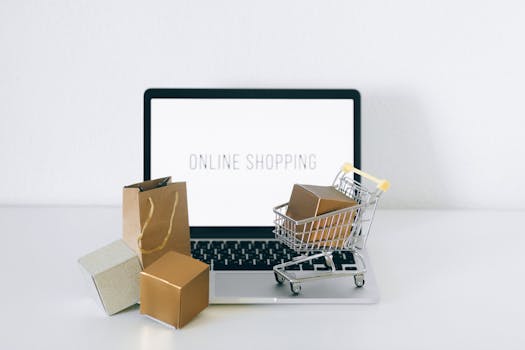 Photo: Nataliya Vaitkevich / Pexels
To truly master how to market an online store effectively, it’s crucial to embrace continuous learning and adaptation. The e-commerce landscape is dynamic, with new trends, technologies, and consumer behaviors emerging constantly. Here are some essential tips to ensure your online store not only survives but thrives:
* **Prioritize Mobile Experience:** A significant portion of online shopping now happens on mobile devices. Ensure your website is fully responsive, loads quickly, and offers a seamless mobile checkout experience. A clunky mobile site is a guaranteed way to lose potential customers.
* **Invest in High-Quality Content Marketing:** Beyond product pages, create valuable blog posts, videos, and guides that address your audience's pain points and interests. This not only builds authority and trust but also provides ample opportunities for SEO and social sharing. Content marketing helps you connect with potential customers at various stages of their buying journey.
* **Harness the Power of User-Generated Content (UGC):** Encourage customers to share photos and videos of themselves using your products. UGC acts as authentic social proof, significantly influencing purchase decisions. Run contests, create branded hashtags, and feature customer content on your website and social media channels.
* **Explore Influencer Marketing:** Partnering with relevant influencers can expose your brand to a highly engaged audience. Focus on micro-influencers whose followers genuinely trust their recommendations, rather than just chasing celebrity endorsements. Authenticity is key for effective influencer collaborations.
* **Don't Underestimate Customer Service:** Exceptional customer service is a marketing tool in itself. Happy customers become brand advocates, sharing their positive experiences with others. Respond promptly to inquiries, resolve issues efficiently, and go the extra mile to delight your customers.
* **Leverage Retargeting Campaigns:** Many visitors won't purchase on their first visit. Retargeting ads allow you to show specific ads to people who have previously interacted with your website or social media, reminding them of your products and enticing them to complete their purchase.
* **Analyze Competitors (Ethically):** Keep an eye on what your competitors are doing well and where they might be falling short. This can provide insights into new marketing channels, product opportunities, or areas where you can differentiate your brand. Learn from their successes and failures.
* **Experiment with New Technologies:** Stay open to incorporating new e-commerce technologies like augmented reality (AR) for product visualization, AI-powered chatbots for customer support, or personalized shopping experiences. Early adoption of effective tech can give you a significant edge.
By integrating these tips into your ongoing marketing efforts, you can build a resilient, customer-centric online store that consistently attracts, converts, and retains customers, ensuring long-term success in the competitive e-commerce landscape.