How to Increase eCommerce Sales Conversion: The Ultimate Guide
how to increase ecommerce sales conversion

How to Increase eCommerce Sales Conversion: The Ultimate Guide

Transform your online store visitors into loyal customers with these expert-backed, data-driven strategies.

Start Converting More

Key Takeaways

  • ✓ The average eCommerce conversion rate is 1-3%.
  • ✓ Optimizing your product pages can increase conversions by up to 10-15%.
  • ✓ Mobile optimization is crucial; over 70% of online purchases are made on mobile.
  • ✓ Personalization can boost sales by 20% or more.

How It Works

1
Analyze Your Current Performance

Understand your current conversion rate, identify drop-off points in the customer journey, and pinpoint areas needing improvement. Use analytics tools to gain valuable insights into user behavior.

2
Optimize Key Touchpoints

Focus on product pages, shopping cart, and checkout flow, as these are critical conversion points. Implement clear calls-to-action, high-quality visuals, and streamlined processes.

3
Enhance User Experience (UX)

Improve website speed, mobile responsiveness, and overall navigation to create a frictionless shopping experience. A positive UX builds trust and encourages purchases.

4
Implement Conversion-Boosting Tactics

Leverage personalization, social proof, urgency, and clear value propositions to persuade hesitant buyers. Continuously test and refine your strategies based on data.

Understanding Your Current eCommerce Conversion Rate
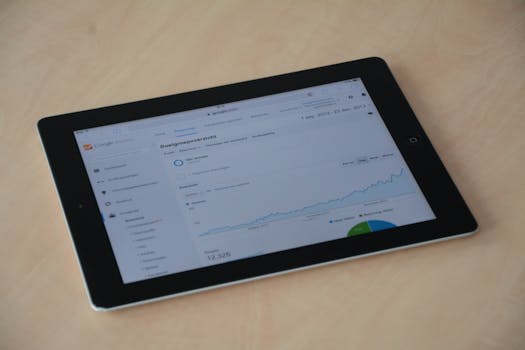
A digital tablet showing a web analytics dashboard with graphs and charts. Photo: weCare Media / Pexels
Before you can effectively learn how to increase ecommerce sales conversion, you must first understand where you currently stand. Many businesses jump straight into implementing new tactics without a clear benchmark, which makes it impossible to measure the true impact of their efforts. Your eCommerce conversion rate is simply the percentage of visitors to your website who complete a desired goal, such as making a purchase. While the average conversion rate typically hovers between 1% and 3%, this number can vary wildly depending on your industry, product type, traffic source, and even the time of year. For instance, a luxury goods store might have a lower conversion rate but a higher average order value compared to a discount retailer. To calculate your conversion rate, divide the number of conversions (e.g., sales) by the number of website visitors, then multiply by 100. Tools like Google Analytics are indispensable for this. They allow you to not only track your overall conversion rate but also to segment your data. This segmentation is crucial for identifying specific areas of weakness. For example, you might discover that mobile users have a significantly lower conversion rate than desktop users, or that visitors from social media convert less often than those from organic search. These insights immediately point to specific areas for optimization. Beyond just the final purchase, consider tracking micro-conversions. These are smaller actions that indicate a user's engagement and move them closer to a purchase, such as adding an item to a cart, signing up for a newsletter, or viewing multiple product pages. A high number of 'add to cart' events with a low number of actual purchases could signal issues with your checkout process or shipping costs. By analyzing these steps, you can pinpoint exactly where potential customers are dropping off and why. This detailed understanding forms the foundation for any successful conversion rate optimization (CRO) strategy. Without this initial data, any efforts to increase your sales conversion will be based on guesswork rather than informed decisions. Regularly reviewing your analytics provides a continuous feedback loop, allowing you to adapt and refine your strategies over time. Remember, the goal isn't just to get more traffic, but to get more value from the traffic you already have. Improving your eCommerce analytics is the first step towards better conversions.

Optimizing Product Pages for Maximum Impact

Close-up of a toy shopping cart on a vivid yellow surface, casting shadows. Photo: Sergey Meshkov / Pexels
Your product pages are the virtual storefronts for your items, and their optimization is paramount if you want to know how to increase ecommerce sales conversion. These pages are where potential customers make their final decision, so every element must work harmoniously to persuade them to buy. High-quality product images and videos are non-negotiable. Customers can't physically touch or try on your products, so visuals must convey every detail. Use multiple angles, lifestyle shots, and zoom functionality. For apparel, consider short videos of models wearing the clothing. For electronics, demonstrate key features in action. Blurry, low-resolution images are a direct path to low conversion rates. Product descriptions are equally vital. Go beyond simply listing features; instead, focus on the benefits. How will this product solve a problem for the customer? How will it improve their life? Use compelling, benefit-driven language and clear, concise bullet points to make information scannable. Include all necessary specifications, but present them in an easy-to-digest format. Address potential questions proactively within the description. For example, if it's a piece of furniture, include dimensions and assembly requirements. If it's a food item, list ingredients and dietary information. Social proof is a powerful psychological trigger. Integrate customer reviews and ratings prominently on your product pages. Positive reviews build trust and alleviate buyer hesitation. Consider displaying user-generated content, such as customer photos or videos, which adds an extra layer of authenticity. If a product has received awards or positive media mentions, feature these as well. The presence of social proof can significantly sway a purchase decision. Furthermore, ensure clear and visible calls-to-action (CTAs). The 'Add to Cart' or 'Buy Now' button should stand out, both in color and placement. Use action-oriented language. Consider adding urgency or scarcity indicators, such as 'Only 3 left in stock!' or 'Sale ends soon!' (but only if genuinely true). Offer clear information about shipping costs, return policies, and estimated delivery times directly on the product page or through easily accessible links. Transparency here reduces last-minute surprises that can lead to cart abandonment. Finally, implement a robust Q&A section where customers can ask questions and receive answers, further building confidence and addressing specific concerns. A well-optimized product page doesn't just display a product; it sells an experience.

Streamlining the Checkout Process and Reducing Cart Abandonment

Close-up of a person using a credit card for online shopping on a laptop. Photo: Kindel Media / Pexels
One of the most critical areas when learning how to increase ecommerce sales conversion is the checkout process itself. A clunky, complicated, or lengthy checkout flow is a notorious conversion killer. Cart abandonment rates can be as high as 70-80%, meaning a vast majority of potential sales are lost right at the finish line. Your primary goal here is simplicity and speed. First, offer guest checkout. Forcing customers to create an account before purchasing is a significant barrier. While account creation can offer benefits like easier repeat purchases and personalized marketing, it should be optional or offered after the initial purchase. If you do require an account, make the registration process as quick as possible, perhaps by integrating social login options (Google, Facebook). Second, minimize the number of steps and fields required. Each additional field is an opportunity for a customer to abandon their cart. Ask only for essential information. Use auto-fill features for addresses and ensure clear error messages if a field is filled incorrectly. A single-page checkout is often preferred, but if multiple steps are necessary, use a clear progress indicator to show customers where they are in the process. Third, be transparent about all costs upfront. Hidden fees, especially unexpected shipping costs or taxes, are a leading cause of cart abandonment. Display the total cost, including shipping and taxes, as early as possible in the checkout process. Offer multiple, popular payment options (credit cards, PayPal, Apple Pay, Google Pay, etc.) to cater to diverse customer preferences. Security is also paramount; clearly display trust badges and SSL certificates to reassure customers their payment information is safe. Fourth, allow for easy cart editing. Customers should be able to easily adjust quantities, remove items, or go back to shopping without losing their progress. Implement persistent carts that save items even if a user leaves and returns later. Finally, consider implementing abandoned cart recovery emails. These automated emails can remind customers of items left in their cart and often include incentives like free shipping or a small discount to encourage them to complete their purchase. Personalization in these emails can significantly improve their effectiveness. By meticulously refining each step of your checkout, you can drastically reduce friction and capture more sales. Understanding shopping cart abandonment is key to boosting your bottom line.

Advanced Strategies and Common Mistakes to Avoid

To truly master how to increase ecommerce sales conversion, you need to look beyond the basics and consider advanced strategies while actively avoiding common pitfalls. Here are some key tips and mistakes to steer clear of: **Advanced Strategies:** * **Personalization and Recommendations:** Implement AI-driven product recommendations based on browsing history, purchase behavior, and demographic data. Personalized experiences can significantly increase engagement and average order value. This includes personalized email campaigns and on-site content. * **A/B Testing and Heatmaps:** Don't guess; test. Use A/B testing tools to experiment with different headlines, CTA button colors, product image layouts, and checkout flows. Tools like heatmaps and session recordings can provide invaluable qualitative data, showing exactly where users are clicking, scrolling, and getting stuck. * **Live Chat and Chatbots:** Offer instant support through live chat. This can answer pre-purchase questions, resolve issues during checkout, and provide product recommendations, reducing friction and building trust. Chatbots can handle common queries 24/7, freeing up human agents for more complex issues. * **Urgency and Scarcity (Ethically Applied):** Use countdown timers for sales, display low stock alerts, or highlight limited-time offers. Ensure these are genuine to maintain trust. This creates a fear of missing out (FOMO) that can prompt quicker purchase decisions. * **Customer Loyalty Programs:** Reward repeat customers with points, discounts, or exclusive access. Loyal customers have a much higher conversion rate and average order value. A well-structured loyalty program encourages repeat purchases and builds community. * **Exit-Intent Pop-ups:** These pop-ups appear when a user is about to leave your site, offering a last-chance incentive (e.g., a discount code, free shipping) to encourage them to stay and convert. Use them sparingly and with valuable offers. **Common Mistakes to Avoid:** * **Ignoring Mobile Optimization:** A significant portion of eCommerce traffic comes from mobile devices. If your site isn't fully responsive, fast, and easy to navigate on smartphones, you're losing a massive number of potential sales. Test your site thoroughly on various devices. * **Poor Website Speed:** Slow loading times are a deal-breaker. Users expect pages to load almost instantly. Even a one-second delay can lead to a significant drop in conversions. Optimize images, leverage caching, and use a reliable hosting provider. * **Lack of Trust Signals:** Without trust, customers won't buy. Ensure your site has clear security badges, customer service contact information, transparent privacy policies, and plenty of social proof (reviews, testimonials). * **Confusing Navigation:** If customers can't easily find what they're looking for, they'll leave. Implement clear categories, a robust search function, and intuitive menus. Avoid overly complex or unconventional navigation structures. * **Not Having a Clear Value Proposition:** Why should customers buy from you instead of a competitor? Clearly articulate your unique selling points (USPs) throughout your website, from your homepage to product pages. * **Failing to Follow Up:** After a sale, don't just disappear. Send order confirmations, shipping updates, and follow-up emails for reviews. For abandoned carts, implement a strategic recovery email sequence. Ignoring post-purchase engagement is a missed opportunity for loyalty and repeat business. By implementing these advanced strategies and diligently avoiding these common mistakes, your efforts to increase ecommerce sales conversion will yield far more significant and sustainable results. Continuous learning and adaptation are key in the dynamic world of eCommerce.

Comparison

FeatureHigh-Converting StoreAverage StoreLow-Converting Store
Product ImagesHigh-res, multiple angles, video, lifestyleDecent quality, few anglesLow-res, single image
Checkout Process1-2 steps, guest checkout, multiple payment options3-4 steps, account optionalMany steps, account required, limited payment
Mobile ExperienceFully responsive, fast, intuitiveMostly responsive, some issuesPoorly optimized, slow
Social ProofProminent reviews, UGC, trust badgesSome reviews, no UGCNo reviews or trust signals
Customer SupportLive chat, comprehensive FAQ, fast emailEmail support, basic FAQHard to find contact info

What Readers Say

"This guide completely transformed how I approach my online store. The tips on product page optimization were a game-changer, and I've seen a noticeable uplift in conversions since implementing them."

Sarah J. · Austin, TX

"As a small business owner, I was struggling to understand why my visitors weren't buying. This article broke down how to increase ecommerce sales conversion into actionable steps that made sense."

Mark D. · Miami, FL

"We improved our mobile checkout flow based on this advice, and our cart abandonment rate dropped by 18% in the first month! Incredible results from practical, expert guidance."

Emily R. · Seattle, WA

"While some strategies require more advanced tools, the fundamental advice on product descriptions and transparent pricing was immediately applicable and very helpful for our current stage."

Chris P. · Chicago, IL

"The section on common mistakes was eye-opening. We realized we were making several of them, and correcting just a few has already put us on a much better path to increasing sales conversion."

David L. · Denver, CO

Frequently Asked Questions

What is a good eCommerce conversion rate to aim for?

While the global average is typically 1-3%, a 'good' conversion rate varies significantly by industry. For some niches, 2% is excellent, while for others, 5% might be achievable. Instead of chasing an arbitrary number, focus on continuous improvement and beating your own previous benchmarks through optimization.

My traffic is high, but sales are low. What's the first thing I should check?

If you have high traffic but low sales, the most common culprit is a poor user experience or friction in the conversion funnel. Start by analyzing your product pages, shopping cart, and checkout process for any roadblocks. Are images clear? Is the CTA visible? Are shipping costs transparent? Is the site mobile-friendly?

How can I reduce cart abandonment effectively?

To reduce cart abandonment, focus on transparency (no hidden fees), simplicity (guest checkout, fewer form fields), security (trust badges), and offering multiple payment options. Implementing abandoned cart recovery email sequences with a compelling incentive can also be highly effective.

Is personalization truly worth the effort for a small eCommerce store?

Yes, absolutely. Even small stores can implement basic personalization, like displaying 'customers also bought' recommendations or sending segmented emails. The effort-to-reward ratio for personalization is often very high, leading to increased customer satisfaction and higher average order values without massive investment.

How often should I be testing my eCommerce site for conversion optimization?

Conversion rate optimization (CRO) should be an ongoing process, not a one-time fix. Ideally, you should be running A/B tests continuously, testing different elements one at a time to understand their impact. Regular review of analytics (monthly or quarterly) will help identify new areas for testing.

Who should use these strategies to increase eCommerce sales conversion?

These strategies are beneficial for any eCommerce business, regardless of size or industry, looking to maximize their online revenue. From small startups to large enterprises, anyone aiming to convert more website visitors into paying customers and improve their bottom line will find value in these methods.

Are there any risks associated with aggressive conversion tactics like urgency timers?

Yes, if used unethically or excessively, aggressive tactics like urgency timers can erode customer trust. Only use genuine scarcity or time-limited offers. Overusing pop-ups or making false claims can lead to a negative brand perception and ultimately harm your long-term conversion rates and customer loyalty.

What's the future trend in eCommerce conversion strategies?

Future trends in eCommerce conversion heavily lean into hyper-personalization powered by AI, augmented reality (AR) for product visualization, voice commerce, and increasingly seamless social commerce integrations. The focus will be on creating highly immersive, convenient, and tailored shopping experiences.

Ready to stop leaving money on the table? Implement these proven strategies to learn how to increase ecommerce sales conversion and transform your online store into a revenue-generating powerhouse. Start optimizing today and watch your sales climb!

Topics: how to increase ecommerce sales conversionecommerce conversion rate optimizationboost online salesecommerce growth strategiesimprove checkout process
Leo List
Brampton weed
Adultwork