✓ 93% of online experiences begin with a search engine.
✓ The first page of Google captures 71% of all search traffic clicks.
✓ Organic search is responsible for 53% of all website traffic.
✓ Ecommerce businesses leveraging SEO grow an average of 14.6% year-over-year.
How It Works
1
Keyword Research & Strategy
Identify high-intent keywords that your target customers use to find products like yours. This forms the foundation of all your SEO efforts, ensuring you target the right audience.
2
On-Page Optimization
Optimize product pages, category pages, and blog content with relevant keywords, compelling descriptions, and structured data. This helps search engines understand your content's relevance.
3
Technical SEO Audit & Fixes
Ensure your site is technically sound, fast, mobile-friendly, and crawlable by search engines. A strong technical foundation prevents common issues that hinder ranking performance.
4
Link Building & Authority
Build high-quality backlinks from reputable sources to increase your domain authority and trustworthiness. This signals to search engines that your site is a valuable resource.
Foundational Keyword Research for Ecommerce Success
Photo: Nothing Ahead / Pexels
In the competitive landscape of online retail, understanding what your customers are searching for is not just an advantage—it's a necessity. Foundational keyword research for ecommerce success goes beyond simply finding popular terms; it involves delving deep into user intent, long-tail opportunities, and competitive analysis. For an ecommerce store, keywords aren't just about traffic; they're about attracting buyers who are ready to convert. Start by brainstorming broad terms related to your products. Then, leverage tools like Google Keyword Planner, Ahrefs, Semrush, or Ubersuggest to uncover variations, related terms, and crucial metrics like search volume and competition. Pay particular attention to 'commercial intent' keywords – terms like 'buy [product name]', '[product name] reviews', or 'best [product type]'. These indicate a user further along the purchase funnel, making them highly valuable. Don't overlook long-tail keywords, which are often less competitive and highly specific (e.g., 'organic cotton baby blankets for sensitive skin'). While they may have lower individual search volumes, collectively they can drive significant, highly qualified traffic. Many small businesses make the mistake of only targeting head terms, missing out on these golden opportunities. Remember to analyze your competitors' keyword strategies. What terms are they ranking for? Are there gaps they've missed that you can exploit? This competitive intelligence can inform your own strategy and help you find unique angles. The goal is to build a comprehensive keyword map, assigning relevant keywords to specific product pages, category pages, and blog posts. This structured approach ensures every piece of content on your site is optimized to capture specific search queries. Regularly revisit and update your keyword research as product lines evolve and search trends shift. This isn't a one-time task but an ongoing commitment to staying relevant and visible in search results. By mastering this foundational step, you lay a robust groundwork for all subsequent ecommerce SEO efforts, setting your store up for sustainable growth and increased conversions. Without a solid keyword strategy, even the most beautiful website will struggle to attract its target audience organically.
Optimizing Product and Category Pages for Higher Rankings
Once your keyword strategy is firmly in place, the next critical step is to meticulously optimize your product and category pages. These pages are the bread and butter of any ecommerce site, serving as the direct gateway for customers to discover and purchase your offerings. Effective optimization here directly translates to improved search visibility and conversion rates. For product pages, focus on creating unique, detailed, and keyword-rich descriptions. Avoid generic manufacturer descriptions; search engines penalize duplicate content. Instead, highlight unique selling propositions, features, benefits, and address potential customer questions. Incorporate your primary keyword naturally within the title, meta description, H1 tags, and throughout the product description. Utilize high-quality, optimized images with descriptive alt text – this helps with both accessibility and image search rankings. Implement structured data (Schema markup) for products, including price, availability, reviews, and ratings. This allows search engines to display rich snippets, making your listings more appealing and increasing click-through rates. Furthermore, encourage customer reviews, as user-generated content is incredibly valuable for SEO and building trust. Category pages require a slightly different approach. They should serve as informative hubs, guiding users to relevant product subcategories or individual products. Optimize category page titles, meta descriptions, and H1s with broader, more generic keywords (e.g., 'Women's Running Shoes' rather than a specific model). Include a brief, keyword-rich introductory text at the top of the page that describes the category and its offerings. This helps search engines understand the page's context. Ensure clear navigation and internal linking from category pages to individual product pages, distributing 'link juice' and improving crawlability. Both product and category pages must be mobile-friendly and load quickly. Google prioritizes mobile-first indexing, meaning a poor mobile experience will significantly hurt your rankings. Regularly review these pages for broken links, outdated information, or opportunities to enhance content based on new keyword research or product updates. By dedicating time and resources to thoroughly optimize these core pages, you create a powerful, conversion-focused pathway for organic search traffic, directly impacting your bottom line. Remember, every product page is a potential landing page, and optimizing each one is a strategic investment in your store's future success.
Technical SEO Foundations: Speed, Mobile, and Site Structure
Beyond on-page content, the technical underpinnings of your ecommerce store play a crucial role in your search engine rankings. Technical SEO foundations encompassing site speed, mobile responsiveness, and a logical site structure are non-negotiable for success in today's digital landscape. A slow-loading website is a conversion killer and a major red flag for search engines. Users expect pages to load almost instantly, and Google incorporates page speed as a significant ranking factor. Tools like Google PageSpeed Insights, GTmetrix, or Pingdom can help you identify bottlenecks. Common culprits include large image files, unoptimized code (CSS, JavaScript), excessive redirects, and slow hosting. Implement image compression, leverage browser caching, minify CSS/JavaScript, and consider a Content Delivery Network (CDN) to serve content faster to users globally. A robust hosting provider is also paramount for consistent performance. Mobile responsiveness is no longer optional; it's mandatory. With the majority of online traffic now originating from mobile devices, Google operates on a mobile-first indexing principle. This means Google primarily uses the mobile version of your site for indexing and ranking. Ensure your website design is fully responsive, adapting seamlessly to various screen sizes. Test your site's mobile-friendliness using Google's Mobile-Friendly Test tool. Easy navigation, tap-friendly buttons, and readable text without zooming are essential for a positive user experience on mobile. Your site's architecture must be logical and easy for both users and search engine crawlers to understand. A shallow site structure, typically three clicks or less from the homepage to any product page, is ideal. Use clear, descriptive URLs that incorporate keywords (e.g., yoursite.com/category/product-name). Implement a robust internal linking strategy, connecting related products, categories, and blog posts. This not only helps distribute 'link equity' but also guides users and crawlers through your site efficiently. Create an XML sitemap and submit it to Google Search Console to help search engines discover all your important pages. Address common technical issues like broken links (404 errors), duplicate content (use canonical tags where appropriate), and crawl errors. Regularly audit your site using tools like Google Search Console to catch and fix these issues promptly. A strong technical foundation ensures that search engines can effectively crawl, index, and rank your content, paving the way for improved organic visibility. Neglecting these technical aspects can undermine even the best content and keyword strategies, making them vital ecommerce SEO best practices.
Common Ecommerce SEO Mistakes to Avoid
Even with the best intentions, many ecommerce stores fall victim to common SEO mistakes that can severely hinder their online visibility and sales. Being aware of these pitfalls is the first step to avoiding them. Here are some of the most prevalent errors to watch out for:
* **Ignoring Duplicate Content:** This is a rampant issue in ecommerce. Product descriptions often come from manufacturers, leading to identical content across multiple sites. Google penalizes duplicate content. **Solution:** Write unique, detailed product descriptions for every item. Use canonical tags to indicate the preferred version of a page if similar content is unavoidable (e.g., product variations).
* **Poor URL Structure:** URLs that are long, messy, and lack descriptive keywords are bad for both users and search engines. **Solution:** Create clean, keyword-rich, and hierarchical URLs (e.g., `yourstore.com/category/product-name`). Keep them as short and descriptive as possible.
* **Neglecting Mobile Optimization:** As previously discussed, mobile-first indexing means if your site isn't mobile-friendly, you're losing out. **Solution:** Implement a responsive design, optimize images for mobile, ensure fast loading times on mobile devices, and test regularly with Google's Mobile-Friendly Test.
* **Slow Page Load Speed:** Customers abandon slow sites, and search engines demote them. **Solution:** Compress images, minify CSS/JavaScript, leverage browser caching, use a CDN, and invest in quality hosting. Aim for load times under 2-3 seconds.
* **Lack of Schema Markup:** This structured data helps search engines understand your product details (price, reviews, availability) and display rich snippets, which boost click-through rates. **Solution:** Implement product schema markup on all product pages. Many ecommerce platforms offer plugins or built-in features for this.
* **Ignoring Customer Reviews:** User-generated content like reviews provides fresh content, social proof, and signals to search engines that your products are valued. **Solution:** Actively encourage customers to leave reviews and display them prominently on product pages.
* **Keyword Stuffing:** Overloading your content with keywords in an attempt to rank higher is an outdated and penalized tactic. **Solution:** Focus on natural language, provide value, and integrate keywords organically and sparingly.
* **Broken Internal Links and 404 Errors:** These create a poor user experience and waste crawl budget, preventing search engines from discovering important pages. **Solution:** Regularly audit your site for broken links using tools like Google Search Console and implement 301 redirects for changed URLs.
* **No Blog or Content Marketing Strategy:** A blog provides valuable content that attracts top-of-funnel traffic, educates potential customers, and allows you to target informational keywords. **Solution:** Develop a content strategy focused on topics relevant to your products and target audience, incorporating keywords and internal links to product pages.
By proactively addressing these common mistakes, ecommerce businesses can significantly improve their SEO performance and create a more robust foundation for sustainable online growth.
Comparison
Feature
Product Page SEO
Category Page SEO
Blog Content SEO
Technical SEO
Primary Goal
Direct conversion
Product discovery
Attract/educate
Site health/crawlability
Keyword Focus
Specific, long-tail
Broader, mid-tail
Informational, top-of-funnel
Site-wide, performance
Schema Markup
✓ (Product, Reviews)
✗ (less common)
✗ (less common)
✓ (Organization, Breadcrumbs)
Content Type
Descriptions, reviews
Intro text, product listings
Articles, guides
Code, site structure
What Our Readers Say
5★★★★★
"This guide transformed how I approach my online store. The section on product page optimization alone increased my organic traffic by 30% in two months. Truly invaluable!"
Sarah J.Austin, TX
5★★★★★
"As a small business owner, I was overwhelmed by SEO. This article broke down ecommerce SEO best practices into actionable steps. My search rankings have never been better."
Mark D.Miami, FL
5★★★★★
"Following these strategies, my online shoe store saw a 45% uplift in organic sales within six months. The focus on technical SEO was a game-changer for my site speed."
Emily R.Seattle, WA
4★★★★☆
"While comprehensive, some sections felt a bit advanced for a beginner. However, the foundational keyword research advice was incredibly helpful and easy to implement. Highly recommend for serious store owners."
David L.Chicago, IL
5★★★★★
"The insights on avoiding common ecommerce SEO mistakes saved me so much time and potential penalties. My team now uses this as our go-to reference for all our online store updates."
Jessica M.Denver, CO
Frequently Asked Questions
What are the most crucial ecommerce SEO best practices for new stores?
For new ecommerce stores, the most crucial best practices include thorough keyword research to understand customer intent, optimizing product and category pages with unique content and schema markup, ensuring your site is technically sound (fast and mobile-friendly), and building a strong internal linking structure from day one. These foundational steps will establish a solid base for organic growth.
Is SEO still relevant for ecommerce with so much paid advertising?
Absolutely. While paid advertising offers immediate visibility, SEO provides sustainable, long-term, and often more cost-effective traffic. Organic search visitors often have higher trust and conversion rates because they are actively searching for solutions. A balanced strategy combining both SEO and paid ads typically yields the best results for ecommerce businesses.
How do I optimize product images for ecommerce SEO?
To optimize product images, first ensure they are high-quality but compressed for fast loading times. Use descriptive filenames (e.g., 'red-leather-wallet.jpg' instead of 'IMG_001.jpg'). Crucially, fill in the 'alt text' attribute with a concise, descriptive phrase that includes relevant keywords. This helps search engines understand the image content and improves accessibility for visually impaired users.
What's the typical cost of implementing ecommerce SEO best practices?
The cost varies widely depending on whether you do it in-house, hire a freelancer, or engage an agency. In-house requires time and training but costs less financially. Freelancers might charge $50-$150/hour or project-based fees. Agencies can range from $1,000 to $5,000+ per month, depending on the scope. The value comes from increased organic traffic and sales, often providing a significant ROI.
How does user experience (UX) impact ecommerce SEO?
User experience significantly impacts ecommerce SEO. Search engines, especially Google, prioritize sites that offer a great user experience. Factors like fast loading times, mobile-friendliness, easy navigation, clear calls to action, and high-quality content all contribute to a positive UX. A good UX leads to lower bounce rates, longer dwell times, and higher engagement, signaling to search engines that your site is valuable and should rank higher.
Who benefits most from adopting ecommerce SEO best practices?
All ecommerce businesses, regardless of size, benefit from adopting SEO best practices. Small and medium-sized businesses can level the playing field against larger competitors, while established brands can maintain their market leadership and expand their reach. Essentially, any online store looking to increase organic traffic, improve brand visibility, and boost sales without solely relying on paid advertising stands to gain immensely.
Are there any risks associated with aggressive SEO tactics for ecommerce?
Yes, there are significant risks with aggressive, 'black-hat' SEO tactics. These include keyword stuffing, buying low-quality links, cloaking, and hidden text. While they might provide short-term gains, search engines like Google will eventually detect and penalize such practices, leading to severe drops in rankings or even complete de-indexing. Always stick to white-hat, ethical SEO best practices for sustainable growth.
What's the future trend for ecommerce SEO best practices?
Future trends for ecommerce SEO will heavily focus on user experience, voice search optimization, visual search capabilities, and leveraging AI for content creation and personalization. Core Web Vitals will continue to be crucial. Additionally, optimizing for product schema, local SEO for brick-and-mortar stores with online presence, and building strong brand authority through diverse content marketing will remain paramount.
Ready to transform your online store's performance? Implement these ecommerce SEO best practices today to outrank competitors, attract high-intent buyers, and achieve sustainable sales growth. Don't just sell online; dominate online.
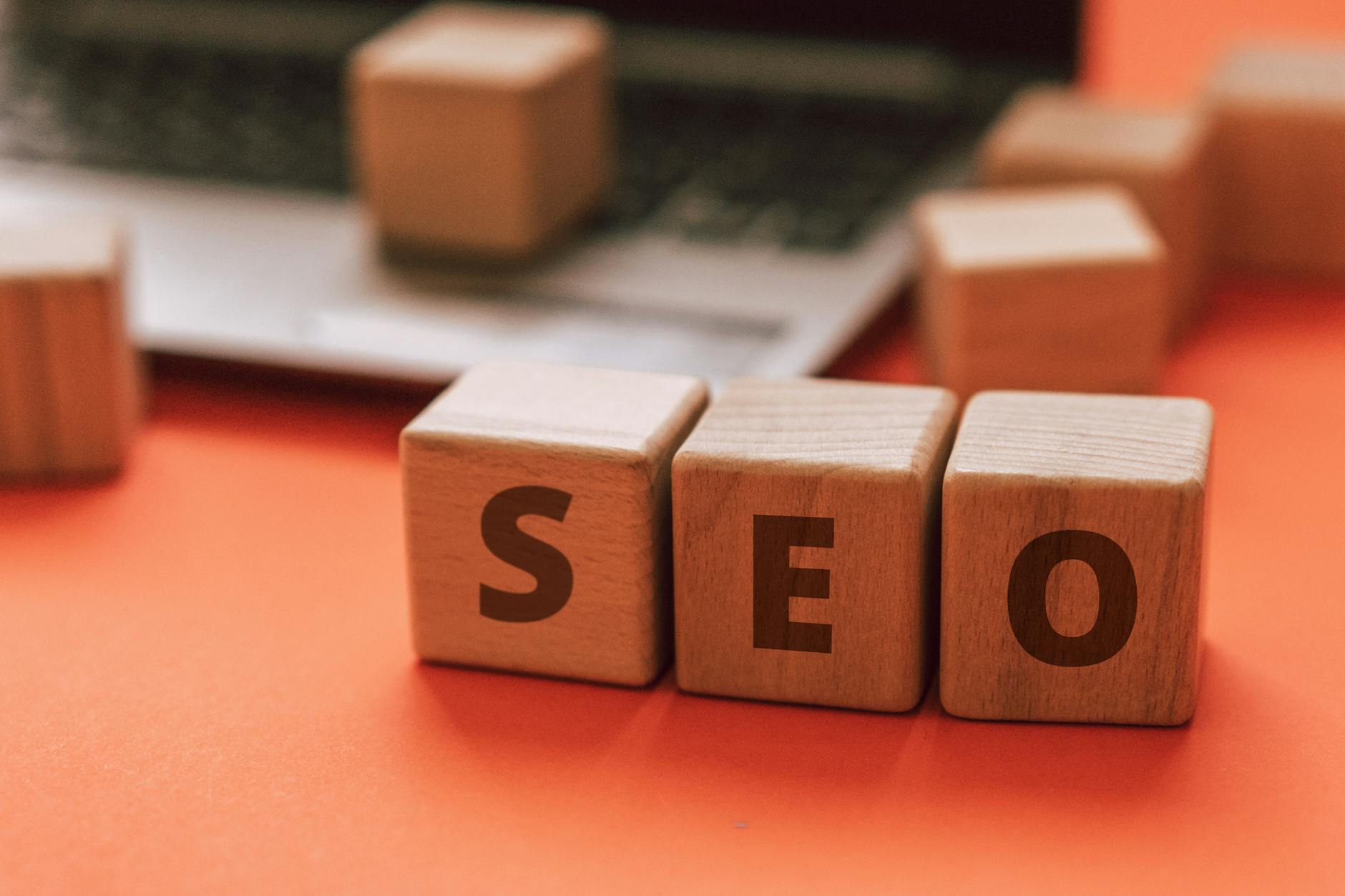
 Photo: Atlantic Ambience / Pexels
 Photo: Nothing Ahead / Pexels