Decoding Your Ecommerce Fulfillment Services Cost: A US Guide
ecommerce fulfillment services cost

Decoding Your Ecommerce Fulfillment Services Cost: A US Guide

Unlock the secrets to transparent pricing and optimize your budget for seamless US ecommerce fulfillment.

Calculate Your Savings

Key Takeaways

  • ✓ Fulfillment costs typically range from 10-30% of a product's selling price.
  • ✓ Major cost components include receiving, storage, pick & pack, and shipping.
  • ✓ Hidden fees like account setup, integration, and return processing can significantly impact total cost.
  • ✓ Strategic fulfillment can reduce shipping times and improve customer satisfaction, boosting sales.

How It Works

1
Receive & Inspect Inventory

Your products arrive at the fulfillment center, where they are inspected for damage and counted. This ensures accuracy before storage and order processing begins.

2
Store & Manage Stock

Inventory is carefully stored in designated bins or shelves within the warehouse. Advanced WMS tracks stock levels, ensuring efficient retrieval for orders.

3
Pick, Pack & Process Orders

Upon receiving an order from your online store, fulfillment staff locate, pick, and securely pack the items. This includes adding dunnage and preparing shipping labels.

4
Ship & Track Deliveries

Packages are handed over to carriers for delivery to your customers. Tracking information is provided, allowing both you and your customers to monitor shipment progress.

Understanding the Core Components of Ecommerce Fulfillment Services Cost
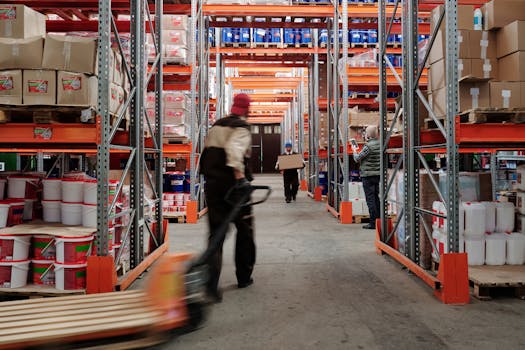
Warehouse interior with workers organizing shelves full of boxes and containers. Photo: Tiger Lily / Pexels
Navigating the landscape of ecommerce fulfillment can be complex, especially when trying to pinpoint the exact costs involved. For US-based online businesses, understanding the various line items that contribute to your overall ecommerce fulfillment services cost is paramount for budgeting and profitability. It's not just about a single monthly fee; rather, it's a dynamic structure influenced by multiple factors, each playing a crucial role in your supply chain efficiency and customer satisfaction. The core components typically include receiving fees, storage costs, pick and pack fees, and shipping expenses. Each of these elements has its own pricing model and can vary significantly between different Third-Party Logistics (3PL) providers. Receiving fees are incurred when your inventory arrives at the fulfillment center. This covers the labor and resources required to unload, inspect, count, and formally induct your products into their warehouse management system. Some 3PLs charge per pallet, per carton, or per unit, while others might have a flat hourly rate for receiving. The complexity of your product, the way it's packaged, and the accuracy of your inbound manifests can all influence this cost. For instance, receiving a pallet of individually barcoded items will likely cost less than receiving a pallet of mixed, unbarcoded SKUs that require manual sorting and labeling. It's crucial to clarify these charges upfront to avoid surprises, especially if you deal with frequent or large inbound shipments. Storage costs represent the expense of holding your inventory within the fulfillment center. This is often charged monthly and can be calculated based on cubic feet, square footage, or even per pallet or bin. The type of storage (e.g., climate-controlled, hazardous materials) and the duration your inventory stays in the warehouse will impact this fee. High inventory turnover can help reduce storage costs, as products move through the warehouse quickly. Conversely, slow-moving inventory can accumulate significant storage expenses over time, tying up capital and reducing profitability. Many 3PLs offer tiered pricing for storage, with lower rates for higher volumes or longer-term agreements. Understanding your inventory velocity and forecasting demand accurately can help you optimize these costs and prevent excessive accumulation of dormant stock. Pick and pack fees are the charges associated with retrieving individual items from storage and preparing them for shipment. This is often a per-order or per-item fee. A basic pick and pack fee usually covers the labor for picking one item and placing it into a standard shipping box. Additional items in the same order, special packaging requirements (like custom boxes, gift wrapping, or inserts), or kitting services (assembling multiple items into a single SKU) will incur extra charges. It's essential to understand the 3PL's pricing model for multi-item orders. Some may charge a base fee plus a smaller per-item fee for each additional item, while others might charge a flat rate up to a certain number of items. This component is highly variable and directly correlates with the complexity and volume of your orders. For businesses with diverse product catalogs or frequent multi-item orders, negotiating favorable pick and pack rates can lead to substantial savings. Finally, shipping expenses are arguably the largest component of ecommerce fulfillment services cost. This covers the actual carrier fees for transporting the package from the fulfillment center to the customer's doorstep. These costs are influenced by package weight, dimensions, shipping speed, destination zone, and the chosen carrier (e.g., USPS, FedEx, UPS, DHL). 3PLs often leverage their high shipping volumes to secure discounted rates from carriers, which they then pass on to their clients. However, these discounts vary, and it's vital to compare the shipping rates offered by different 3PLs. Beyond the base shipping rate, be aware of potential surcharges for fuel, residential delivery, remote areas, or oversized packages. A robust shipping strategy is key here, balancing speed with cost-effectiveness to meet customer expectations without eroding your margins.

Uncovering Hidden Fees and Unexpected Costs in 3PL Partnerships

Women managing a small business surrounded by cardboard boxes and using a laptop for online orders. Photo: Kampus Production / Pexels
While the core components of ecommerce fulfillment services cost are generally transparent, a deeper dive reveals a landscape riddled with potential hidden fees and unexpected charges that can quickly inflate your overall expenses. Many businesses are drawn to seemingly low base rates, only to find their monthly bills significantly higher due to a myriad of surcharges and ancillary services. Being proactive in identifying and understanding these potential costs during the negotiation phase is crucial for maintaining a healthy profit margin and avoiding budget overruns. A comprehensive understanding of the 3PL's entire fee structure, not just the advertised rates, is non-negotiable for any savvy ecommerce entrepreneur. One common area for unexpected costs is account setup and integration fees. While some 3PLs offer free setup, others may charge a one-time fee for integrating their Warehouse Management System (WMS) with your ecommerce platform (e.g., Shopify, Magento). This fee can range from a few hundred to several thousand dollars, depending on the complexity of the integration and whether custom development is required. Similarly, ongoing WMS access or licensing fees might be levied, either as a flat monthly charge or based on usage. Always inquire about these initial and recurring technology-related costs. Data transfer fees, which might apply if you need to extract large datasets or require custom reporting, are another potential source of extra charges. Another significant area of hidden costs revolves around returns and reverse logistics. Processing customer returns is labor-intensive and often incurs separate fees. These can include receiving the returned item, inspecting its condition, restocking it (if resalable), or disposing of it. Some 3PLs charge a flat per-return fee, while others might charge based on the time spent or the complexity of the inspection. If returns are a significant part of your business, these fees can quickly add up. Additionally, reshipment fees for exchanges or re-delivery due to incorrect addresses are also common. Understanding the full scope of their return management services and associated costs is vital for businesses with high return rates. Custom packaging and special handling requests also frequently lead to additional charges. While standard boxes and poly mailers are usually included in pick and pack fees, any custom branding, specific dunnage (e.g., bubble wrap, air pillows), gift messaging, or kitting (assembling multiple items into a single product) will almost certainly incur extra costs. If your products require special handling due to their fragility, size, or hazardous nature, expect additional fees for specialized storage, packing materials, and trained labor. Even seemingly minor requests, like adding a promotional flyer to every order, can translate into a per-item charge that adds up over thousands of orders. Finally, minimum volume requirements and penalty fees are often overlooked. Many 3PLs have minimum monthly order volumes or storage requirements. If your business falls below these thresholds, you might be charged a minimum monthly fee to cover their overhead. Similarly, penalty fees can arise from various scenarios, such as inaccurate inventory counts upon arrival, late payment, or failure to adhere to specific packaging guidelines for inbound shipments. It's imperative to scrutinize the service agreement for all such clauses and negotiate terms that align with your business's current and projected operational scale. A clear understanding of these potential pitfalls can save your business thousands of dollars and prevent unpleasant surprises on your monthly invoices.

Strategies for Optimizing Your Ecommerce Fulfillment Services Cost in the US

Adult man shopping for clothes online at home using a laptop, with a wallet on the table. Photo: Ivan S / Pexels
Optimizing your ecommerce fulfillment services cost in the US is not just about finding the cheapest 3PL; it's about implementing strategic practices that reduce overall expenses while enhancing efficiency and customer satisfaction. A well-thought-out approach can significantly impact your bottom line, turning fulfillment from a necessary evil into a competitive advantage. The goal is to minimize waste, streamline operations, and leverage technology and partnerships to achieve the most cost-effective solution without compromising service quality. This requires a continuous evaluation of your processes, inventory management, and vendor relationships. Proactive cost management is key to sustainable growth in the competitive ecommerce market. One of the most effective strategies is meticulous inventory management. Overstocking leads to higher storage costs and potential obsolescence, while understocking can result in lost sales and expedited shipping expenses. Implementing robust forecasting tools and practices helps maintain optimal inventory levels. Consider a multi-node fulfillment strategy if your customer base is geographically dispersed across the US. Storing inventory closer to your customers in different regions can drastically reduce shipping times and costs by enabling shorter shipping zones. While this might increase storage costs slightly due to managing inventory across multiple locations, the savings in shipping (often the largest cost component) and improved customer delivery experience typically outweigh this increase. Analyze your sales data to identify key customer clusters and strategically place your inventory. Negotiating favorable terms with your 3PL is another critical aspect. Don't be afraid to leverage your volume or potential for future growth during contract discussions. Inquire about volume discounts for pick and pack, storage, and shipping. Some 3PLs are willing to offer better rates for longer-term commitments or if you meet certain monthly order thresholds. Always compare quotes from multiple providers, not just on the base rates but on the entire fee structure, including all potential surcharges. Presenting competitive offers from other 3PLs can give you leverage. Additionally, explore opportunities for bundling services; sometimes, combining fulfillment with other services like kitting, returns management, or even light assembly can lead to overall cost reductions. Optimizing your packaging can also yield substantial savings. Reducing package weight and dimensions, even by small amounts, can lead to significant savings over thousands of shipments, especially with carriers that use dimensional weight pricing. Work with your 3PL to identify the most cost-effective packaging solutions that still adequately protect your products. This might involve using lighter materials, right-sizing boxes to eliminate empty space, or switching from boxes to poly mailers where appropriate. Furthermore, consider optimizing your product catalog for fulfillment. Streamlining SKUs, reducing product variations, and ensuring consistent product dimensions can simplify picking and packing processes, potentially reducing labor costs and errors. Finally, continuously monitor and analyze your fulfillment data. Regularly review your 3PL invoices against your order data to identify discrepancies or unexpected charges. Track key performance indicators (KPIs) such as shipping costs per order, storage costs per unit, and pick and pack accuracy. This data will provide insights into where costs are escalating and where efficiencies can be gained. Don't hesitate to communicate regularly with your 3PL partner about performance, costs, and any changes in your business needs. A strong, collaborative relationship with your fulfillment provider is invaluable for identifying cost-saving opportunities and ensuring that your fulfillment operations remain aligned with your business goals.

Common Mistakes to Avoid When Evaluating Ecommerce Fulfillment Services Cost

Woman managing shipping logistics for her small business, ensuring accurate inventory and order fulfillment. Photo: Tima Miroshnichenko / Pexels
When evaluating the ecommerce fulfillment services cost, many businesses, particularly those new to outsourcing logistics, fall prey to several common mistakes that can lead to unforeseen expenses and operational headaches. Avoiding these pitfalls requires diligence, thorough research, and a clear understanding of your own business needs. The allure of a low headline price can often mask a complex web of fees that ultimately make a 'cheap' solution far more expensive in the long run. Being informed and asking the right questions upfront is the best defense against these costly errors. One of the most prevalent mistakes is focusing solely on the 'per-order' or 'per-item' pick and pack fee without considering the entire cost structure. While pick and pack is a significant component, it's merely one piece of the puzzle. Businesses often overlook or underestimate the impact of receiving fees, storage costs, and especially shipping rates. A 3PL with a slightly higher pick and pack fee might offer significantly better shipping discounts or lower storage rates, leading to a much lower total cost per order. Always request a comprehensive quote that includes all potential charges based on your specific product mix, order volume, and customer locations. Create a detailed cost model that simulates your actual operational flow. Another critical error is failing to accurately forecast inventory levels and order volumes. Underestimating your growth can lead to penalties for exceeding agreed-upon thresholds or, conversely, being locked into minimum volume requirements that you can't meet, incurring minimum monthly fees. Overestimating can result in paying for storage space you don't need. Work closely with your sales and marketing teams to develop realistic forecasts. Share these forecasts openly with potential 3PL partners; transparency allows them to provide more accurate pricing and ensures they have the capacity to support your business. Inquire about their flexibility if your volumes fluctuate unexpectedly. Ignoring the cost of returns and reverse logistics is another major oversight. For many ecommerce businesses, especially in apparel or electronics, returns can account for a substantial portion of sales. If your 3PL charges high fees for processing returns, this can quickly erode your profits. Understand their return handling process, including inspection, restocking, and disposal fees. Some 3PLs offer more robust and cost-effective reverse logistics solutions than others. Don't assume return processing is included in standard fulfillment fees; it rarely is. Lastly, neglecting the technology and integration costs can be a costly mistake. While some 3PLs offer seamless integrations with popular ecommerce platforms at no extra charge, others may charge substantial setup or ongoing maintenance fees. If your platform isn't standard, or if you require custom integrations, these costs can be prohibitive. Ensure the 3PL's WMS can effectively communicate with your existing systems to avoid manual data entry, which is prone to errors and adds labor costs. Also, consider the cost of data access and reporting. Some providers charge extra for detailed analytics or custom reports, which are essential for monitoring performance and identifying areas for optimization. A thorough due diligence process that covers all these potential cost areas will ensure you select a 3PL partner that truly aligns with your budget and operational needs.

Comparison

FeatureLarge-Volume 3PLMid-Market 3PLBoutique 3PL
Typical Monthly Volume5,000+ orders500-5,000 orders50-500 orders
Receiving FeesPer pallet/container, often volume discountsPer pallet/hour, some flat feesHourly rate, per carton
Storage CostsPer cubic foot (tiered), lower rates for high volumePer cubic foot/pallet/shelfPer bin/shelf, higher per-unit cost
Pick & Pack FeesLow base + per item, strong volume discountsBase + per item, moderate discountsHigher base + per item, less flexible
Shipping DiscountsDeep carrier discounts due to volumeModerate carrier discountsLimited carrier discounts
Technology & IntegrationAdvanced WMS, robust integrations (often free)Good WMS, standard integrations (some fees)Basic WMS, limited integrations (more fees)
Account ManagementDedicated account managerDedicated or shared account managerDirect owner/manager contact
Flexibility for Custom NeedsModerate, larger operationsHigh, adaptable to growthVery high, personalized service
Return Processing FeesEfficient, per-unit/process, volume-basedPer-unit, sometimes higher for complexityHourly or higher per-unit

What Readers Say

"Before switching, our ecommerce fulfillment services cost was a black box. Our new 3PL provided a transparent breakdown of every fee, allowing us to budget accurately and ultimately save about 15% on our monthly logistics spend. The clarity alone was worth it."

Sarah J. · Austin, TX

"We've seen a significant reduction in our shipping costs since partnering with a 3PL that optimized our package sizes and negotiated better carrier rates. Their understanding of dimensional weight pricing saved us thousands. Our ecommerce fulfillment services cost is now predictable and manageable."

Mark D. · Miami, FL

"Initially, we were worried about the upfront integration fees, but the long-term efficiency gains and reduced labor costs for packing made it a worthwhile investment. Our ecommerce fulfillment services cost has decreased by 20% compared to in-house operations."

Emily R. · Seattle, WA

"While the base fulfillment fees are competitive, we did encounter some unexpected surcharges for custom packaging requests. It's crucial to clarify every potential 'extra' upfront, but overall, the service quality justifies the ecommerce fulfillment services cost."

David L. · Chicago, IL

"As a growing startup, managing inventory and shipping was consuming too much time. Outsourcing our fulfillment, even with the associated ecommerce fulfillment services cost, freed up our team to focus on product development and marketing. It's been a game-changer for scalability."

Jessica M. · Denver, CO

Frequently Asked Questions

What are the primary factors influencing ecommerce fulfillment services cost?

The primary factors influencing ecommerce fulfillment services cost include receiving fees (for inbound inventory), storage costs (for holding products), pick and pack fees (for order processing), and shipping expenses (carrier rates). Additional factors like order volume, product size/weight, special handling needs, and return rates also play a significant role in the overall expense.

Are there any hidden fees I should look out for when budgeting for fulfillment?

Yes, common hidden fees include account setup/integration charges, WMS access fees, minimum monthly volume charges, fees for custom packaging or inserts, kitting services, return processing fees, and surcharges for expedited shipping, residential delivery, or oversized items. Always request a detailed breakdown of all potential charges.

How can I reduce my ecommerce fulfillment services cost?

To reduce costs, optimize inventory levels to minimize storage fees, negotiate volume discounts with 3PLs, utilize multi-node fulfillment for reduced shipping zones, optimize packaging to reduce dimensional weight, and carefully manage returns. Regularly review invoices and communicate proactively with your fulfillment partner.

Is it cheaper to do fulfillment in-house or outsource to a 3PL?

For most growing ecommerce businesses, outsourcing to a 3PL becomes more cost-effective than in-house fulfillment once a certain order volume is reached. 3PLs benefit from economies of scale, bulk shipping discounts, and specialized technology that individual businesses often can't replicate cost-effectively. However, very small businesses with low order volumes might find in-house cheaper initially.

How does product size and weight impact fulfillment costs?

Product size and weight significantly impact storage costs (larger/heavier items take more space) and especially shipping costs (carriers use both actual and dimensional weight). Oversized or heavy items often incur special handling fees and higher shipping surcharges, making them more expensive to fulfill.

Who should consider outsourcing their ecommerce fulfillment?

Businesses experiencing rapid growth, those spending excessive time on packing and shipping, companies with fluctuating order volumes, or those aiming to expand into new regions without investing in new infrastructure should consider outsourcing. It allows them to focus on core business activities while leveraging expert logistics.

What risks are associated with a low-cost fulfillment provider?

A provider offering unusually low ecommerce fulfillment services cost might cut corners on service quality, leading to slower shipping times, higher error rates, poor customer service, or lack of transparency. This can damage your brand reputation and result in increased customer complaints and returns. Always balance cost with service reliability.

How will automation affect future ecommerce fulfillment services cost?

Automation is expected to drive down long-term ecommerce fulfillment services cost by reducing labor expenses, increasing accuracy, and speeding up processing times. While initial investment in automation is high, it will lead to more efficient and cost-effective fulfillment solutions, especially for high-volume operations, making services more scalable and potentially more affordable per unit over time.

Mastering your ecommerce fulfillment services cost is key to sustainable growth. By understanding the components, avoiding hidden fees, and implementing strategic optimizations, you can transform fulfillment from a cost center into a competitive advantage. Take control of your logistics budget today and position your ecommerce business for long-term success.

Topics: ecommerce fulfillment services cost3PL pricingshipping costs ecommercefulfillment center feesecommerce logistics budget
Leo List
Brampton weed
Adultwork EstrelaBet Vai de Bet R7 Bet Betão Galera Bet Rainbet Bet9ja Shop SportyBet BetKing Sisal Loto Foot Hollywoodbets YesPlay Odibets RushBet Jugabet BetWarrior BetCity MSport betPawa Fortebet