✓ Fulfillment costs typically range from 10-25% of product selling price.
✓ Major cost components include receiving, storage, picking & packing, and shipping.
✓ Pricing models vary widely, often including a mix of fixed and variable fees.
✓ Hidden fees like account setup, integration, or peak season surcharges can significantly impact the total cost.
How It Works
1
Inventory Inbound & Receiving
Your products arrive at the fulfillment center, where they are inspected, counted, and added to inventory. This step often incurs receiving fees based on units or hours.
2
Storage & Warehousing
Products are stored securely in the fulfillment center, ready for order processing. Storage costs are typically calculated monthly by cubic feet, pallet, or bin.
3
Order Picking & Packing
When a customer places an order, items are retrieved from storage, packed appropriately, and prepared for shipment. This includes labor for picking and packaging materials.
4
Shipping & Delivery
The packaged order is handed off to a carrier for delivery to the customer. Shipping costs are often the largest component, influenced by weight, dimensions, destination, and speed.
Understanding the Core Components of Fulfillment Pricing
Photo: cottonbro studio / Pexels
The landscape of ecommerce fulfillment services cost is multifaceted, often appearing complex to businesses new to outsourcing or those looking to optimize their existing operations. At its heart, understanding these costs means breaking down the fulfillment process into its core components, each carrying its own set of fees. The primary cost drivers include receiving, storage, picking and packing, and shipping.
Receiving fees are incurred when your inventory arrives at the fulfillment center. These can be charged per unit, per pallet, or based on the time it takes for the fulfillment center staff to process and put away your goods. Factors influencing this cost include the preparation of your inbound shipment (e.g., whether items are barcoded and pre-sorted), the volume of goods, and the frequency of shipments. Some 3PLs might offer a flat rate for receiving, while others will have tiered pricing based on the complexity or size of the shipment. It’s crucial to clarify these terms upfront to avoid surprises, especially if you deal with diverse product types or erratic inbound schedules.
Storage costs are directly related to the space your inventory occupies within the warehouse. These are typically billed monthly and can be calculated in various ways: per cubic foot, per shelf, per bin, or per pallet. The chosen method often depends on the fulfillment provider and the nature of your products. For instance, small, high-density items might be billed per bin, while larger or bulky items might be charged per pallet or cubic foot. Seasonal businesses or those with unpredictable inventory fluctuations need to pay close attention to storage terms, as unused space can still incur charges, and peak season surges might lead to higher rates or limited availability. Negotiating storage rates based on projected inventory levels can be a smart strategy to manage this significant overhead.
Picking and packing fees cover the labor and materials involved in preparing an order for shipment. This includes the cost of retrieving individual items from storage (picking) and placing them into appropriate packaging (packing). Picking fees are often charged per item picked, with potential surcharges for multi-item orders or complex picking processes (e.g., kitting, special instructions). Packing fees encompass the cost of standard packaging materials (boxes, poly mailers, void fill) and the labor to secure the items. Custom packaging or special inserts will almost always incur additional costs, though these can be a valuable branding opportunity. Understanding the per-order and per-item costs for picking and packing is vital, as these scale directly with your order volume. Transparency here is key to forecasting your operational expenses accurately. Furthermore, the efficiency of a fulfillment center's picking process can directly impact these costs; highly automated centers might offer lower per-item picking fees but could have higher initial setup or technology integration costs. The overall efficiency of the fulfillment operation significantly influences the per-unit cost of these labor-intensive activities, making it a critical area to scrutinize when comparing providers. It's not just about the raw number, but how that number is achieved and what it includes. For example, some providers might bundle basic packaging materials into their picking and packing fee, while others charge for them separately. Always ask for a detailed breakdown.
Demystifying Shipping Costs and Carrier Relationships
Photo: Tima Miroshnichenko / Pexels
Shipping costs represent arguably the largest and most variable component of ecommerce fulfillment services cost. These expenses are directly tied to getting the product from the fulfillment center to your customer's doorstep. Several factors converge to determine the final shipping price: package weight and dimensions, the shipping destination (zone), the chosen shipping speed (e.g., standard, expedited, express), and the specific carrier used (e.g., USPS, FedEx, UPS, DHL). Fulfillment centers often leverage their high shipping volumes to negotiate significantly discounted rates with major carriers, rates that individual ecommerce businesses could rarely achieve on their own. This 'bulk discount' is a primary financial benefit of outsourcing fulfillment.
However, the way these discounts are passed on to you can vary. Some 3PLs will simply charge you their discounted rate plus a small markup, while others might offer a flat rate for certain shipping tiers or absorb some shipping costs into a higher 'pick and pack' fee. It's imperative to get a clear breakdown of how shipping charges are calculated and what surcharges might apply. Common surcharges include residential delivery fees, fuel surcharges (which fluctuate), delivery area surcharges for remote locations, and peak season surcharges. Understanding these potential additions can prevent significant budget overruns, especially during holiday seasons or periods of high demand.
Beyond direct costs, the choice of shipping carrier and service level also impacts customer satisfaction and your brand's reputation. Offering a range of shipping options, from economical standard shipping to faster expedited services, allows customers to choose based on their needs and willingness to pay. A good fulfillment partner will advise on optimal carrier selection based on your typical package characteristics, destination profiles, and desired delivery times. They should also provide tracking information seamlessly, integrating with your ecommerce platform to offer transparency to your customers.
Furthermore, returns management, while often considered a separate service, is intrinsically linked to shipping. The cost of return shipping, processing, and restocking can significantly impact your overall fulfillment budget. A robust returns policy and efficient reverse logistics process are critical, and your fulfillment partner should have clear pricing for these services. Some may charge a per-item or per-return fee, covering inspection, repackaging, and re-shelving. Others might have more complex pricing based on the condition of the returned item. Neglecting to factor in return costs can lead to an incomplete picture of your total ecommerce fulfillment services cost. Proactive management of returns, including clear communication with customers and efficient processing by your 3PL, can turn a potential cost center into a customer loyalty builder. It's not just about the outbound journey; the inbound journey of a returned item also carries significant financial implications that must be carefully accounted for in your fulfillment strategy. This holistic view ensures that you're not just optimizing for outbound shipping but also for the entire product lifecycle.
Hidden Fees and Overlooked Costs in Fulfillment Contracts
Photo: RDNE Stock project / Pexels
While the core components of ecommerce fulfillment services cost (receiving, storage, picking, packing, and shipping) are usually transparently presented, many businesses get caught off guard by hidden fees and overlooked costs embedded within fulfillment contracts. A thorough understanding of these potential extras is critical for accurate budgeting and avoiding unpleasant surprises. One common area for unexpected charges is account setup and integration. Some 3PLs charge a one-time fee to set up your account, integrate their system with your ecommerce platform (e.g., Shopify, Magento), and onboard your inventory data. While a reasonable setup fee might be acceptable for a complex integration, excessively high charges or ongoing integration maintenance fees should be scrutinized. Always clarify if the initial setup cost includes all necessary integrations and testing.
Another frequently overlooked cost relates to inventory management and reporting. While basic inventory tracking is usually part of the service, advanced reporting, cycle counting, or physical inventory audits might incur additional fees. If precise, real-time inventory data is crucial for your business (and it should be for most ecommerce operations), ensure these services are included or understand their separate cost. Similarly, dedicated account management or customer support beyond a basic level could be an add-on. Some 3PLs assign a dedicated account manager, which can be invaluable for larger or more complex operations, but this often comes at a premium.
Customization and special handling are also major sources of hidden costs. If your products require specific handling (e.g., fragile items, kitting services, assembly, unique packaging inserts, gift wrapping, or product customization), these will almost certainly incur additional labor charges. While these services can enhance the customer experience and brand perception, their cost must be factored into your per-order profitability. Always provide your potential fulfillment partner with a detailed breakdown of any special requirements during the quoting process to receive an accurate estimate.
Beyond these, there are often miscellaneous charges such as minimum monthly fees, which apply if your order volume or storage usage falls below a certain threshold. This can be particularly impactful for new businesses or those with seasonal fluctuations. Return processing fees, as mentioned earlier, are also a significant, often underestimated, cost. Lastly, peak season surcharges or expedited service fees during high-demand periods are common. These are typically communicated in advance but can significantly inflate costs if not budgeted for. A comprehensive contract review, focusing not just on the per-unit rates but also on all potential surcharges and add-on services, is paramount to truly understand the total ecommerce fulfillment services cost. Don't hesitate to ask for a list of all possible fees, no matter how small, to ensure complete transparency. The devil is often in the details when it comes to these contracts, and a proactive approach to understanding every line item can save thousands of dollars down the line.
Optimizing Your Fulfillment Budget: Tips and Common Mistakes
Photo: Niepoddawajsie.pl Luk / Pexels
Optimizing your ecommerce fulfillment services cost isn't just about finding the cheapest provider; it's about finding the most cost-effective solution that aligns with your business goals and customer expectations. Here are crucial tips and common mistakes to avoid:
**Tips for Optimization:**
* **Accurate Inventory Forecasting:** Overstocking leads to higher storage costs, while understocking can result in lost sales and expedited shipping fees. Utilize sales data and seasonal trends to forecast inventory needs accurately.
* **Standardize Packaging:** Where possible, use standard box sizes and poly mailers. Custom packaging is great for branding but adds to material and often packing labor costs. Work with your 3PL to identify optimal packaging solutions that protect products while minimizing dimensional weight.
* **Negotiate Terms:** Don't be afraid to negotiate, especially if you have high volume or unique needs. Ask about tiered pricing, volume discounts, and long-term contract benefits. A good partner will be flexible.
* **Consolidate Shipments:** For inbound inventory, consolidate shipments to the fulfillment center to reduce receiving fees. For outbound, explore options for combining multiple orders from the same customer or using slower, more economical shipping methods for non-urgent deliveries.
* **Leverage Technology:** Utilize your 3PL's reporting and analytics to identify cost-saving opportunities. Track key metrics like average shipping cost per order, storage utilization, and return rates.
* **Strategic Fulfillment Center Placement:** If you have customers across the country, consider a 3PL with multiple strategically located warehouses. This can significantly reduce shipping zones and transit times, lowering costs and improving delivery speed.
**Common Mistakes to Avoid:**
* **Focusing Solely on the Lowest Price:** The cheapest option isn't always the best. Hidden fees, poor service, slow processing, or frequent errors can cost you more in the long run through lost sales, customer complaints, and chargebacks. Look for value, not just low cost.
* **Ignoring Dimensional Weight:** Carriers charge based on either actual weight or dimensional weight (DIM weight), whichever is greater. Many businesses only consider actual weight, leading to unexpected shipping surcharges, especially for lightweight but bulky items. Optimize packaging to minimize DIM weight.
* **Underestimating Returns Costs:** Returns are a reality of ecommerce. Failing to budget for return shipping, processing, and restocking can severely impact profitability. Implement clear return policies and understand your 3PL's return handling fees.
* **Lack of Communication:** Poor communication with your fulfillment partner can lead to errors, delays, and unexpected costs. Provide clear instructions for special handling, inventory updates, and order changes.
* **Not Reviewing Contracts Regularly:** Your business needs evolve. What was a good fit a year ago might not be today. Regularly review your contract, performance metrics, and pricing with your 3PL to ensure it still meets your needs and budget. Don't let complacency lead to outdated or inefficient agreements. Proactive contract management can identify areas for renegotiation or process improvements, directly impacting your overall spend on ecommerce fulfillment services cost.
By proactively addressing these points, businesses can significantly reduce their ecommerce fulfillment services cost while maintaining or even improving service levels, ultimately contributing to a healthier bottom line and stronger customer satisfaction.
Comparison
Feature
High-Volume 3PL
Niche/Specialty 3PL
Self-Fulfillment
Per-Order Cost
Lower (due to scale)
Moderate-High (specialized handling)
Variable (labor + overhead)
Storage Flexibility
Excellent (large capacity)
Good (tailored solutions)
Limited (your own space)
Shipping Discounts
Significant (bulk rates)
Good (niche carrier rates)
Minimal (retail rates)
Setup/Integration Fees
Moderate-High (complex systems)
Moderate (specialized integration)
Low (internal setup)
Scalability
✓
✓ (within niche)
✗
Control & Customization
Limited (standardized ops)
High (tailored services)
✓ (full control)
Best For
Growth-focused, diverse products
Fragile, unique, kitting needs
Startups, very low volume, full control
What Readers Say
★★★★★
"Understanding our ecommerce fulfillment services cost was a nightmare before partnering with ShipSmart. They provided a transparent breakdown, and we immediately saw where we could save without sacrificing speed. Our shipping costs dropped by 15%."
Sarah J. · Austin, TX
★★★★★
"We sell fragile art prints, and finding a 3PL that handled them with care without exorbitant fees was tough. EcoPack Fulfillment not only offered competitive ecommerce fulfillment services cost but also specialized packing that eliminated damage, saving us on returns."
Mark D. · Miami, FL
★★★★★
"Our small business was drowning in self-fulfillment. Outsourcing helped us reclaim time, and the clarity around ecommerce fulfillment services cost allowed us to budget accurately. We saw a 20% increase in profit margin after making the switch."
Jessica L. · Denver, CO
★★★★★
"While the initial setup fee was higher than expected, the long-term savings on shipping and the improved delivery times justified the ecommerce fulfillment services cost. We appreciate their detailed monthly reports."
David S. · Chicago, IL
★★★★★
"As a subscription box company, our kitting and recurring shipments are complex. FulfillmentPro broke down the ecommerce fulfillment services cost per box perfectly, making budgeting predictable and our operations seamless."
Emily R. · Seattle, WA
Frequently Asked Questions
What is the average ecommerce fulfillment services cost?
The average ecommerce fulfillment services cost can vary significantly, typically ranging from 10% to 25% of a product's selling price. This range depends on factors like product size, weight, order volume, shipping speed, and the specific services required (e.g., kitting, custom packaging). It's crucial to get a detailed quote tailored to your business.
Are there hidden fees I should watch out for in fulfillment contracts?
Yes, common hidden fees include account setup charges, integration fees, minimum monthly fees, special handling surcharges (for fragile items or kitting), peak season surcharges, and unexpected return processing fees. Always request a comprehensive list of all potential fees and read your contract thoroughly before signing.
How can I reduce my ecommerce fulfillment services cost?
To reduce costs, focus on accurate inventory forecasting to minimize storage fees, standardize packaging to lower dimensional weight, negotiate favorable terms with your 3PL, and strategically place inventory in multiple fulfillment centers to reduce shipping zones. Consolidating inbound shipments and leveraging your 3PL's shipping discounts are also key strategies.
Does higher order volume always lead to lower fulfillment costs per unit?
Generally, yes. Higher order volumes allow fulfillment centers to achieve economies of scale, often leading to lower per-unit costs for picking, packing, and even storage. Many 3PLs offer tiered pricing structures where the cost per order decreases as your monthly order volume increases. However, this isn't always linear, so confirm volume discounts.
How do fulfillment costs compare to in-house fulfillment?
Outsourcing fulfillment generally offers significant cost savings over in-house fulfillment, especially for growing businesses. 3PLs benefit from bulk shipping discounts, optimized warehouse operations, and specialized labor that individual businesses often can't replicate. While self-fulfillment avoids 3PL fees, it incurs costs for warehouse space, labor, equipment, and less favorable shipping rates, which often outweigh the perceived savings.
Who should consider outsourcing their ecommerce fulfillment to manage costs?
Businesses experiencing rapid growth, those with limited storage space, companies looking to expand into new markets without establishing physical presence, or those wanting to free up internal resources to focus on core activities like marketing and product development should consider outsourcing. It's particularly beneficial when order volumes make self-fulfillment unsustainable or inefficient.
What are the risks if I choose a very cheap fulfillment provider?
Choosing a very cheap fulfillment provider can lead to several risks, including poor service quality, frequent errors in picking and packing, slow processing times, inadequate customer support, and potentially hidden fees that surface later. These issues can damage your brand reputation, increase customer complaints, and ultimately cost you more in lost sales and returns than any initial savings.
How will automation impact future ecommerce fulfillment services cost?
Automation is expected to drive down long-term ecommerce fulfillment services cost by increasing efficiency and reducing labor dependency. While initial investments in robotics and automated systems can be high for 3PLs, these technologies lead to faster processing, fewer errors, and potentially lower per-unit picking and packing fees for clients. It will also allow for better scalability and consistency in service.
Mastering your ecommerce fulfillment services cost is paramount to your business's sustained growth and profitability. Take control of your expenses, eliminate hidden fees, and partner with a fulfillment provider that offers transparency and value. Begin optimizing your fulfillment strategy today to unlock greater efficiency and a healthier bottom line.

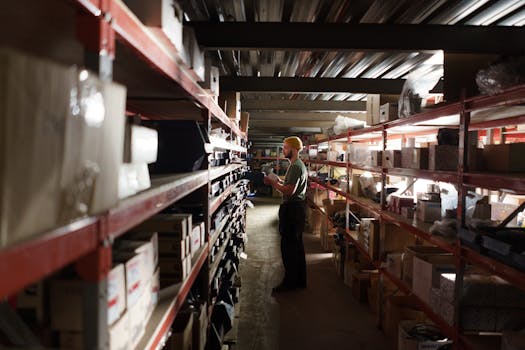 Photo: cottonbro studio / Pexels
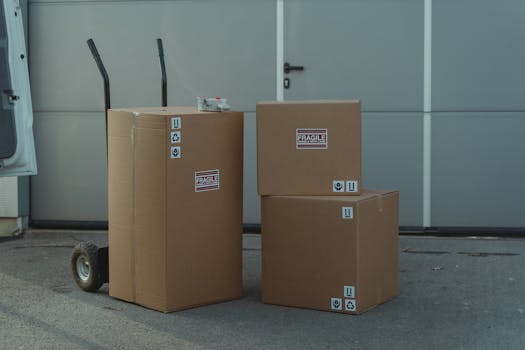 Photo: Tima Miroshnichenko / Pexels
 Photo: RDNE Stock project / Pexels
 Photo: Niepoddawajsie.pl Luk / Pexels