✓ Dropshipping eliminates the need for businesses to hold inventory.
✓ The seller acts as a middleman, forwarding orders to a third-party supplier.
✓ Lower startup costs and reduced risk are major advantages.
✓ Profit is the difference between the retail price and the supplier's price.
How It Works
1
Customer Places Order
A customer purchases a product from your online store, paying the retail price you've set. The order details are captured on your platform.
2
You Forward Order to Supplier
You receive the order and then purchase the product from your dropshipping supplier at a wholesale price. You provide them with the customer's shipping details.
3
Supplier Ships Directly
The supplier packs and ships the product directly to your customer. Your business is typically 'white-labeled,' meaning the customer sees your branding, not the supplier's.
4
You Earn Profit
The difference between what the customer paid you and what you paid the supplier is your profit. You never handle the product, packaging, or shipping yourself.
Understanding the Core Concepts of Dropshipping
Photo: www.kaboompics.com / Pexels
The dropshipping business model has revolutionized the ecommerce landscape, offering an accessible entry point for aspiring entrepreneurs and established businesses alike. At its heart, dropshipping is a retail fulfillment method where a store doesn't keep the products it sells in stock. Instead, when a store sells a product, it purchases the item from a third party and has it shipped directly to the customer. This fundamental shift in inventory management is what makes dropshipping so appealing. Unlike traditional retail, where you would invest significant capital into buying inventory upfront, storing it, and then managing its shipment, dropshipping removes these logistical hurdles entirely. Your primary role as a dropshipper is to market products, process orders, and manage customer service. The physical handling of products, from storage to shipping, is entirely outsourced to a supplier. This model allows for an incredibly lean operation, meaning you can start an online store with minimal upfront investment. Imagine launching a fashion boutique without buying a single dress, or an electronics store without stocking a single gadget. That's the power of dropshipping. It decouples the act of selling from the act of holding inventory, allowing businesses to focus on marketing, sales, and customer experience. This flexibility also extends to product selection; you can test out new products and niches with very little risk, quickly adapting to market trends without being burdened by unsold stock. The beauty of the dropshipping business model explained lies in its simplicity and efficiency. It empowers individuals to become online retailers, creating a bridge between customers and suppliers, and carving out a profit margin in between. It's not just about selling products; it's about building a brand, understanding market demand, and effectively connecting consumers with desired goods. The rise of global shipping networks and sophisticated online platforms has further fueled the growth of dropshipping, making it easier than ever to connect with suppliers worldwide and reach customers across the globe. This accessibility is a game-changer for small businesses and individual entrepreneurs looking to make their mark in the competitive world of online retail. The core concept remains simple: sell first, buy later, and let someone else handle the logistics.
The Advantages and Disadvantages of Dropshipping
Photo: saravut vanset / Pexels
Every business model comes with its own set of pros and cons, and dropshipping is no exception. Understanding these facets is crucial for anyone considering this path. On the advantage side, the most frequently cited benefit is the significantly lower startup cost. Because you don't need to purchase inventory upfront, the capital required to launch a dropshipping business is drastically reduced. This makes it an attractive option for entrepreneurs with limited funds. Coupled with low startup costs is reduced risk. If a product doesn't sell, you're not left with a warehouse full of unsold goods. This flexibility allows for extensive product testing and market validation without substantial financial exposure. Furthermore, dropshipping offers unparalleled flexibility in terms of location and operation. You can run your business from anywhere with an internet connection, making it ideal for digital nomads or those seeking a flexible lifestyle. The scalability is also a major draw; as your business grows, you don't need to worry about expanding warehouse space or hiring more packing staff – your suppliers handle the increased volume. This allows you to focus on marketing and customer acquisition. You can also offer a vast selection of products without the burden of managing diverse inventory. However, dropshipping isn't without its challenges. One significant disadvantage is lower profit margins compared to traditional retail. Since you're buying products individually or in small batches from suppliers, you often don't get the same bulk discounts that traditional retailers enjoy. This necessitates careful pricing strategies and a focus on high-volume sales. Inventory management, while outsourced, still requires vigilance. You rely entirely on your supplier's stock levels, and if they run out, you risk disappointing customers. Quality control can also be an issue; since you never see the product, ensuring its quality is entirely dependent on your supplier's reliability. Shipping complexities, especially with multiple suppliers, can lead to varying delivery times and costs for customers. Lastly, customer service can be more challenging when you're reliant on a third party for fulfillment. Resolving shipping errors, product defects, or returns requires coordination with your supplier, which can sometimes lead to delays and frustration for customers. Balancing these pros and cons is key to building a sustainable dropshipping business. It requires meticulous research, reliable supplier partnerships, and a strong focus on customer satisfaction to mitigate the inherent risks.
Building Your Dropshipping Store: Key Steps and Strategies
Photo: Cup of Couple / Pexels
Embarking on your dropshipping journey requires a strategic approach, starting with thorough market research and niche selection. The first crucial step is to identify a profitable niche. Don't just pick products you like; research what people are actively searching for and what problems you can solve. Look for products with consistent demand, low competition, and good profit margins. Tools like Google Trends, Amazon Bestsellers, and social media analytics can be invaluable here. Once you have a niche, the next step is finding reliable suppliers. This is arguably the most critical aspect of a successful dropshipping business. Platforms like AliExpress, SaleHoo, Worldwide Brands, and Doba connect you with numerous suppliers. When evaluating suppliers, consider their product quality, shipping times, communication responsiveness, return policies, and pricing. It's often advisable to order samples to personally assess quality and delivery speed before committing. Building your online store is the next phase. Platforms like Shopify, WooCommerce (for WordPress), and BigCommerce are popular choices, offering user-friendly interfaces and robust features for ecommerce. Your store needs to be professional, easy to navigate, and optimized for mobile devices. High-quality product images, compelling descriptions, and clear calls to action are essential. Focus on creating a brand identity that resonates with your target audience. This includes your store's name, logo, color scheme, and overall tone. Effective marketing is what will drive traffic to your store. This can involve a mix of paid advertising (Facebook Ads, Google Ads), organic social media marketing, content marketing (blogging, videos), and email marketing. Understanding your target audience is paramount to crafting effective marketing campaigns. Highlight the benefits of your products and address potential customer pain points. Customer service is another pillar of a successful dropshipping business. Even though you don't handle the products, you are the face of the business. Prompt, helpful, and empathetic customer support can build trust and loyalty, turning one-time buyers into repeat customers. This includes handling inquiries about orders, shipping, returns, and product issues. Remember, your reputation is everything in the online world. Continuously analyze your sales data, website traffic, and marketing campaign performance to identify what's working and what needs improvement. The dropshipping landscape is dynamic, so continuous learning and adaptation are vital for long-term success.
Navigating Common Dropshipping Pitfalls and Advanced Strategies
Photo: saravut vanset / Pexels
While the dropshipping business model offers incredible opportunities, it's also fraught with common pitfalls that can derail even the most promising ventures. Awareness of these challenges and proactive strategies to mitigate them are essential for long-term success.
**Common Pitfalls to Avoid:**
* **Poor Supplier Selection:** This is perhaps the biggest risk. Unreliable suppliers can lead to low-quality products, delayed shipping, incorrect orders, and poor customer experience. Always vet suppliers thoroughly, read reviews, and consider ordering samples.
* **Lack of Niche Focus:** Trying to sell everything to everyone often results in selling nothing to anyone. A broad store can struggle with targeted marketing and brand identity. Focus on a specific niche to attract a dedicated audience.
* **Ignoring Customer Service:** Even though you don't handle inventory, you are responsible for customer satisfaction. Slow responses, unhelpful replies, or difficult return processes can quickly damage your reputation.
* **Underestimating Marketing Effort:** While startup costs are low, marketing expenses can be significant. Simply setting up a store doesn't guarantee sales; you need a robust marketing strategy to drive traffic and convert visitors.
* **Thin Profit Margins:** Without careful product selection, pricing, and cost management, dropshipping can yield very low profits. Always calculate your break-even point and target profit margins before launching products.
* **Legal and Tax Compliance:** Depending on your location and where your customers are, you'll need to understand sales tax, business registration, and product compliance regulations. Don't overlook these crucial aspects.
**Advanced Strategies for Success:**
* **Build a Strong Brand:** Differentiate yourself from competitors by creating a unique brand identity, compelling storytelling, and exceptional customer experience. A strong brand fosters loyalty and allows for better pricing.
* **Automate Processes:** Utilize tools for order fulfillment, inventory syncing, and customer service to streamline operations and save time as your business grows.
* **Focus on High-Ticket Items:** While it might seem counterintuitive, selling fewer, more expensive items can sometimes lead to higher overall profits due to better margins and fewer customer service inquiries per dollar.
* **Bundle Products and Offer Upsells/Cross-sells:** Increase your average order value by creating product bundles or suggesting complementary items at checkout.
* **Leverage Influencer Marketing:** Collaborate with influencers in your niche to reach a wider, engaged audience and build trust.
* **Optimize for SEO:** Invest time in search engine optimization to attract organic traffic to your store, reducing reliance on paid advertising in the long run.
* **Implement Robust Customer Feedback Loops:** Actively solicit and respond to customer reviews and feedback to continuously improve your product offerings and service.
Comparison
Feature
Dropshipping
Traditional Retail
Affiliate Marketing
Inventory Management
None (supplier handles)
High (managed by seller)
None (no product handling)
Startup Cost
Low
High
Very Low
Profit Margins
Moderate to Low
High
Low (commission-based)
Risk Level
Low
High
Very Low
Product Control
Limited
Full
None
Customer Service
Seller responsibility
Seller responsibility
Vendor responsibility
Scalability
High
Moderate
High
Shipping & Fulfillment
Supplier handles
Seller handles
Vendor handles
What Readers Say
★★★★★
"The dropshipping business model explained in this guide was incredibly clear. It helped me understand how to finally launch my online store without the huge upfront investment I thought I needed. Highly recommend for beginners!"
Sarah J. · Austin, TX
★★★★★
"As an experienced online seller, I appreciate the depth of information on supplier selection and avoiding common pitfalls. This article is a valuable resource for optimizing my dropshipping operations."
Mark D. · Miami, FL
★★★★★
"Following the steps outlined here, I was able to set up my first dropshipping store in under a month. I've already made my first 10 sales, proving this model works when you follow the right guidance."
Emily R. · Portland, OR
★★★★★
"The explanation of profit margins was particularly helpful. While I initially struggled with finding profitable products, the strategies on advanced tactics helped me refine my approach and start seeing better returns."
Chris P. · Chicago, IL
★★★★★
"I used to think dropshipping was too complicated, but this article breaks down the entire dropshipping business model explained in such an easy-to-understand way. It's truly empowering for anyone looking to enter ecommerce."
Linda K. · Denver, CO
Frequently Asked Questions
What is the biggest challenge in dropshipping?
The biggest challenge in dropshipping often revolves around finding reliable suppliers and maintaining consistent product quality. Since you don't physically handle the products, you rely heavily on your supplier's efficiency and integrity, which can impact customer satisfaction and your brand's reputation.
Is dropshipping still profitable in 2024?
Yes, dropshipping remains a profitable business model in 2024, especially with careful niche selection, strong marketing, and excellent customer service. While competition has increased, the global e-commerce market continues to expand, offering ample opportunities for new and existing dropshippers to succeed by carving out unique value propositions.
How much money do I need to start a dropshipping business?
You can start a dropshipping business with relatively low capital, often just a few hundred dollars. This typically covers website hosting, domain registration, and initial marketing expenses. Unlike traditional retail, you don't need to invest in inventory, significantly reducing upfront costs.
What platforms are best for dropshipping?
Shopify is widely considered one of the best platforms for dropshipping due to its user-friendliness, extensive app store (including dropshipping apps like Oberlo), and robust e-commerce features. Other viable options include WooCommerce (for WordPress users), BigCommerce, and Wix, each offering different levels of flexibility and scalability.
How does dropshipping compare to traditional e-commerce?
The primary difference between dropshipping and traditional e-commerce is inventory management. Dropshipping eliminates the need for sellers to hold inventory, reducing startup costs and risk. Traditional e-commerce involves buying, storing, and shipping products yourself, offering more control but requiring higher capital and logistical effort.
Who should consider the dropshipping business model?
The dropshipping business model is ideal for aspiring entrepreneurs with limited capital, those seeking a flexible business that can be run from anywhere, or existing businesses looking to expand their product offerings without increasing inventory risk. It's also great for testing new product ideas and niches efficiently.
What are the legal aspects to consider for dropshipping?
Legally, dropshippers need to consider business registration, sales tax collection and remittance (depending on state and federal laws), consumer protection laws, and potential intellectual property rights when sourcing products. It's crucial to understand your obligations to avoid legal issues and ensure a compliant operation.
What future trends might impact dropshipping?
Future trends impacting dropshipping include increased demand for faster shipping, greater emphasis on ethical sourcing and sustainable products, the rise of AI for personalized marketing and customer service, and the growing importance of building a strong brand identity to stand out in a competitive market.
Ready to dive into the world of online retail? The dropshipping business model explained here provides a clear roadmap. Start building your low-risk, high-potential online store today and unlock your entrepreneurial dreams.
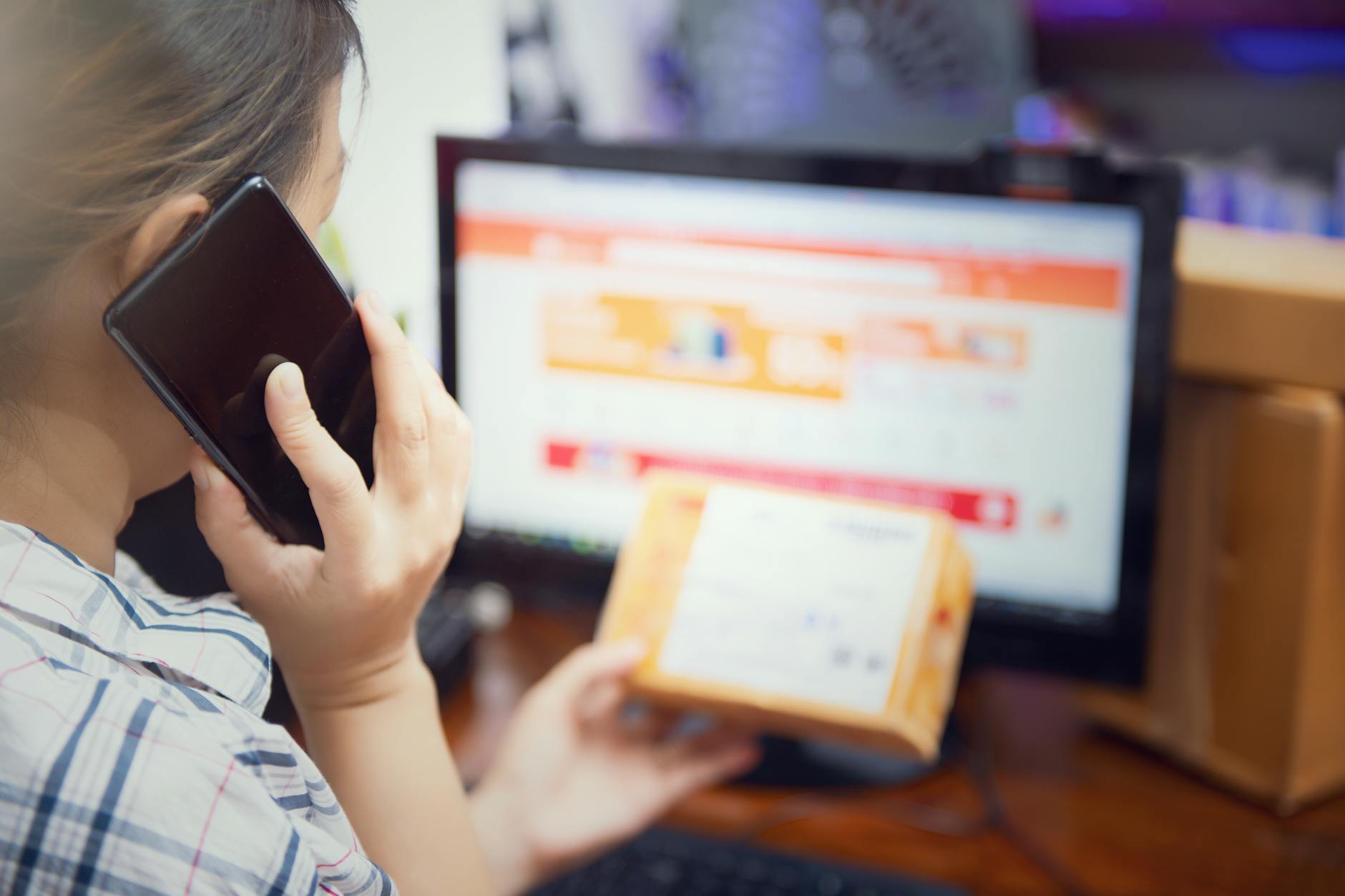
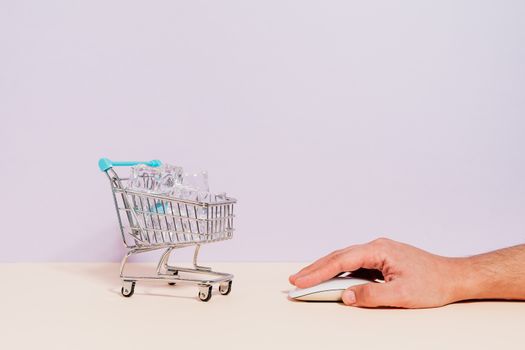 Photo: www.kaboompics.com / Pexels
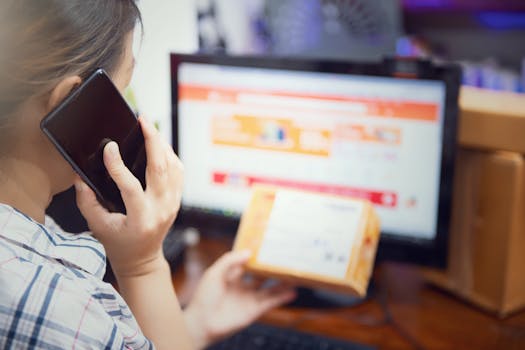 Photo: saravut vanset / Pexels
 Photo: Cup of Couple / Pexels