Find the best payment gateway for online store success
July 16, 2026 17 min read 3,345 words
Unlock seamless transactions and boost customer trust with the ideal payment solution for your online business.
Choose Your Gateway
Understanding Payment Gateways for Ecommerce Success
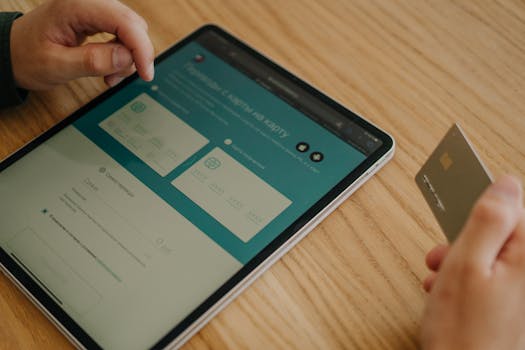 Photo: Tima Miroshnichenko / Pexels
In the dynamic world of ecommerce, the choice of a payment gateway is not merely a technical decision; it's a strategic one that profoundly impacts your business's operational efficiency, customer satisfaction, and ultimately, your bottom line. A payment gateway acts as the digital bridge between your online store and your customers' banks, securely transmitting transaction data from your website to the payment processor. Without a robust and reliable payment gateway, your online store simply cannot process payments, making it impossible to conduct business. For US-based businesses, navigating the myriad of options requires a keen understanding of various factors, from transaction fees and security protocols to integration capabilities and customer support.
The core function of any payment gateway is to ensure the secure and swift transfer of financial information. When a customer enters their credit card details on your checkout page, the gateway encrypts this sensitive data, protecting it from potential cyber threats. This encrypted information is then sent to the acquiring bank, which communicates with the card networks (like Visa, Mastercard, American Express, Discover) and the customer's issuing bank to verify funds and authorize the transaction. This entire process, from encryption to authorization, typically happens in a matter of seconds, providing a seamless experience for the customer. However, behind this apparent simplicity lies a complex infrastructure designed to maintain the integrity and security of every transaction. Choosing the best payment gateway for online store operations means selecting a partner that can handle this complexity efficiently and reliably, minimizing potential points of failure and maximizing transaction success rates.
Beyond just processing payments, modern payment gateways offer a suite of features designed to enhance the ecommerce experience for both merchants and customers. These can include advanced fraud prevention tools, recurring billing capabilities for subscription-based models, multi-currency support for international sales, and detailed analytics to track payment performance. The integration of these features can significantly streamline your business operations, reduce manual workload, and provide valuable insights into customer purchasing behaviors. For instance, robust fraud detection systems can save your business from costly chargebacks and reputational damage, while flexible billing options can cater to diverse customer needs. As you evaluate different options, consider how each gateway's feature set aligns with your current business model and future growth aspirations. A gateway that offers scalability and adaptability will be a long-term asset to your
ecommerce business. The right choice can reduce cart abandonment, foster customer trust, and ultimately drive greater revenue for your online venture.
Furthermore, the user experience offered by the payment gateway, both on the merchant and customer side, is paramount. For customers, a smooth, intuitive, and secure checkout process can be the difference between a completed purchase and an abandoned cart. Clunky interfaces, slow loading times, or confusing steps at checkout can lead to frustration and lost sales. For merchants, an easy-to-use dashboard for managing transactions, refunds, and disputes, coupled with responsive customer support, is invaluable. When selecting the best payment gateway for online store, merchants should also consider the ease of integration with their existing ecommerce platform (e.g., Shopify, WooCommerce, Magento). A gateway that offers straightforward APIs or pre-built plugins can significantly reduce setup time and technical complexities, allowing you to focus more on selling and less on technical hurdles. The goal is to create a frictionless payment experience that encourages repeat business and strengthens customer loyalty.
Key Factors When Choosing Your Payment Gateway
 Photo: Pavel Danilyuk / Pexels
Selecting the best payment gateway for online store operations requires a meticulous evaluation of several critical factors that extend beyond just transaction fees. While cost is undoubtedly a significant consideration, prioritizing it above all else can lead to compromises in security, functionality, and customer experience, which could prove more expensive in the long run. One of the foremost considerations is security. Given the increasing sophistication of cyber threats, your chosen gateway must adhere to the highest industry standards, such as PCI DSS (Payment Card Industry Data Security Standard) compliance. This ensures that sensitive customer data is handled with the utmost care, protecting both your business and your customers from data breaches and fraud. Look for gateways that offer advanced fraud detection tools, tokenization, and encryption to safeguard every transaction. A lapse in security can severely damage your brand reputation and result in substantial financial penalties.
Integration capabilities are another crucial factor. Your payment gateway must seamlessly integrate with your existing ecommerce platform (e.g., Shopify, BigCommerce, Magento, WooCommerce) and any other business tools you use. Native integrations or well-documented APIs can drastically simplify setup and ongoing management. A clunky integration can lead to technical headaches, increased development costs, and a fragmented customer experience. Consider whether the gateway offers hosted payment pages, direct APIs, or a combination, and which best suits your technical expertise and desired level of control over the checkout flow. Hosted pages, for instance, shift much of the PCI compliance burden away from your store, while direct APIs offer greater customization but require more technical savvy. The easier the integration, the faster you can get up and running and the less time you'll spend troubleshooting.
Transaction fees and pricing structures vary widely among providers and can significantly impact your profitability. Most gateways charge a percentage per transaction, often with a small fixed fee. However, you might also encounter monthly fees, setup fees, chargeback fees, and fees for international transactions. It's essential to understand the full breakdown of all potential costs and to compare them across different providers based on your projected sales volume and average transaction value. Some gateways offer tiered pricing or custom rates for high-volume merchants. Don't be swayed solely by the lowest percentage; a slightly higher percentage might come with superior features, better customer support, or more robust fraud protection, offering greater value overall. Calculate the total cost of ownership, not just the per-transaction fee, to make an informed decision.
Customer support and reliability are often overlooked but are vital for sustained success. When issues arise – and they inevitably will – prompt and effective support can minimize downtime and prevent lost sales. Look for providers that offer multiple channels of support (phone, email, live chat) and have a reputation for responsiveness and helpfulness. Furthermore, the gateway's uptime and processing speed directly impact customer experience. Frequent outages or slow transaction processing can lead to cart abandonment and damage customer trust. Research reviews and ask for references to gauge a provider's reliability. Finally, consider the range of payment methods supported. In today's diverse payment landscape, offering options like credit/debit cards (Visa, Mastercard, Amex, Discover), digital wallets (Apple Pay, Google Pay, PayPal), and potentially buy-now-pay-later (BNPL) services can cater to a broader customer base and increase conversion rates. The more convenient you make it for customers to pay, the more likely they are to complete their purchase.
Top Contenders: The Best Payment Gateway for Online Store Operations
 Photo: Ivan S / Pexels
When it comes to identifying the best payment gateway for online store, several prominent players consistently rise to the top, each offering a unique blend of features, pricing, and integration capabilities. Understanding their strengths and weaknesses relative to your specific business needs is crucial for making an informed decision. Let's delve into some of the leading options available to US-based ecommerce merchants.
**Stripe** is often lauded for its developer-friendly APIs and extensive customization options, making it a favorite among tech-savvy businesses and those with complex integration requirements. It supports a vast array of payment methods, including credit cards, digital wallets, and international payment options, making it ideal for businesses with global aspirations. Stripe's transparent, pay-as-you-go pricing (typically 2.9% + $0.30 per successful transaction) is attractive to businesses of all sizes, from startups to large enterprises. Its robust fraud detection tools, like Stripe Radar, are highly effective in minimizing chargebacks. However, its comprehensive features can sometimes present a steeper learning curve for non-technical users, and its customer support, while improving, is primarily email-based. Despite this, its flexibility and powerful tools make it a strong contender for many online stores looking for a scalable and customizable solution.
**PayPal** remains one of the most recognized and trusted names in online payments, benefiting from widespread brand recognition that can instill confidence in customers. Its ease of use for both merchants and consumers is a significant advantage, particularly for smaller businesses or those prioritizing simplicity. PayPal offers various services, including PayPal Payments Pro for integrated checkout and PayPal Standard for redirecting customers to PayPal's site. Transaction fees are competitive, often starting around 2.9% + $0.30, with volume discounts available. While its brand recognition is a huge plus, some merchants express concerns about occasional fund holds or account limitations, and the user experience for the merchant backend can sometimes feel less modern compared to newer platforms. Nevertheless, for businesses seeking a widely accepted and easy-to-implement solution, especially those starting out, PayPal remains a very strong option.
**Square** initially gained fame for its point-of-sale (POS) systems but has rapidly expanded its ecommerce offerings, making it a powerful integrated solution for businesses operating both online and offline. If you run a brick-and-mortar store in addition to your online presence, Square provides a unified platform for managing sales, inventory, and payments across all channels. Its online payment processing rates are generally competitive (e.g., 2.9% + $0.30 for online transactions), and it offers a free online store builder, which can be a significant draw for new businesses. Square's strength lies in its ecosystem, providing comprehensive tools beyond just payment processing, including invoicing, payroll, and marketing. While it's excellent for businesses looking for an all-in-one solution, its customization options for the online checkout experience might be less extensive than those offered by Stripe, and its international capabilities are still developing compared to global leaders. For US-based small to medium-sized businesses, particularly those with a physical presence, Square offers compelling value and convenience.
**Authorize.Net**, a long-standing player in the payment gateway space, is known for its reliability and robust feature set, often favored by larger businesses and those requiring advanced fraud management and recurring billing capabilities. It acts purely as a gateway, meaning you'll typically need a separate merchant account with an acquiring bank. This separation can offer more flexibility in choosing your merchant account provider but also adds a layer of complexity. Authorize.Net's pricing usually involves a monthly gateway fee ($25) plus per-transaction fees (e.g., 2.9% + $0.30). Its advanced features, including the Advanced Fraud Detection Suite (AFDS) and Customer Information Manager (CIM), are highly valued for security and managing customer payment profiles. While its interface might feel less modern than some newer competitors, its stability and comprehensive tools make it a reliable choice for businesses prioritizing advanced functionality and a dedicated gateway service. Integrating
ecommerce solutions with Authorize.Net often provides a high degree of control.
Each of these top contenders offers distinct advantages. The "best" choice ultimately depends on your specific business size, technical capabilities, budget, desired features, and long-term growth strategy. A thorough evaluation of each based on these criteria will guide you to the most suitable payment gateway for your online store.
Avoiding Common Pitfalls and Optimizing Your Payment Gateway
 Photo: www.kaboompics.com / Pexels
Choosing the best payment gateway for online store operations is just the first step; optimizing its use and avoiding common pitfalls are equally crucial for long-term success. Many businesses make mistakes that can lead to lost sales, increased costs, or security vulnerabilities. One significant pitfall is neglecting to thoroughly review all associated fees. While transaction percentages are usually upfront, hidden costs like chargeback fees, monthly minimums, PCI compliance fees, international transaction fees, and refund processing fees can quickly erode your profits. Always request a full fee schedule and calculate the total cost based on your projected sales volume and average transaction size before committing. A seemingly low per-transaction fee might be offset by high monthly or incidental charges.
Another common mistake is overlooking the importance of fraud prevention. While all reputable gateways offer some level of fraud protection, relying solely on basic features can leave your business vulnerable. Invest time in understanding and configuring the advanced fraud detection tools your chosen gateway provides, such as address verification system (AVS) checks, card verification value (CVV) checks, IP address blocking, and velocity filters. Proactively managing fraud not only protects your revenue but also preserves your brand's reputation and minimizes the headache of chargebacks. Regularly review your fraud settings and adapt them as your business grows and as new fraud patterns emerge.
**Tips for Optimizing Your Payment Gateway:**
* **Prioritize Mobile Responsiveness:** Ensure your checkout process, including the payment gateway's interface, is fully optimized for mobile devices. A significant portion of online sales now occurs on smartphones and tablets, and a clunky mobile experience can lead to high abandonment rates.
* **Offer Multiple Payment Options:** Don't limit your customers to just one or two payment methods. Integrating popular credit cards, digital wallets (Apple Pay, Google Pay), and potentially BNPL options caters to a wider audience and improves conversion rates.
* **Implement One-Click Checkout/Tokenization:** For returning customers, store their encrypted payment information (tokenization) to enable a faster, one-click checkout experience. This reduces friction and encourages repeat purchases.
* **Monitor Performance Metrics:** Regularly analyze your payment gateway's performance data, including transaction success rates, average processing times, and chargeback ratios. These metrics can highlight areas for improvement and potential issues.
* **Keep Software Updated:** Ensure your ecommerce platform, plugins, and any custom integrations related to your payment gateway are always up-to-date. This helps maintain security and ensures compatibility with the latest features.
* **Provide Clear Error Messages:** If a transaction fails, ensure your customers receive clear, actionable error messages rather than vague codes. This allows them to quickly rectify issues and retry their purchase.
* **Test Thoroughly:** Before launching or making significant changes, rigorously test your entire checkout flow across different devices and payment methods to catch any glitches.
Failing to provide a seamless and secure checkout experience can directly impact your conversion rates and customer loyalty. By proactively addressing these pitfalls and implementing optimization strategies, you can transform your payment gateway from a mere transaction processor into a powerful tool for business growth and enhanced customer satisfaction.
