✓ Ecommerce analytics tools are crucial for understanding customer behavior and optimizing sales funnels.
✓ Data-driven decisions can increase conversion rates by up to 200% for online businesses.
✓ Key metrics include conversion rate, average order value (AOV), customer lifetime value (CLTV), and bounce rate.
✓ Integrating analytics with marketing and inventory systems provides a holistic view of business performance.
How It Works
1
Collect Data Automatically
Ecommerce analytics tools seamlessly integrate with your online store, automatically collecting vast amounts of data on customer interactions, sales, and website performance. This eliminates manual data entry and ensures accuracy from the outset.
2
Visualize Key Metrics
The collected data is then transformed into easily digestible dashboards and reports. Visualizations like charts, graphs, and heatmaps allow you to quickly grasp complex trends and identify areas requiring attention without extensive data analysis skills.
3
Identify Opportunities & Issues
By analyzing these metrics, you can pinpoint customer journey bottlenecks, discover popular products, understand marketing campaign effectiveness, and identify potential issues before they escalate. This proactive approach is key to sustained growth.
4
Optimize & Iterate
Based on the insights gained, you can implement data-backed strategies to improve your store. This might involve A/B testing product pages, refining marketing campaigns, or optimizing your checkout process, followed by continuous monitoring and iteration for ongoing improvement.
Understanding the Imperative of Ecommerce Analytics for Growth
Photo: Leeloo The First / Pexels
In today's hyper-competitive digital landscape, merely having an online store is no longer sufficient to guarantee success. To truly thrive, ecommerce businesses must embrace a data-driven approach, and this is where robust ecommerce analytics tools become indispensable. These powerful platforms go far beyond basic sales reporting, offering deep insights into every facet of your online operation. They act as your digital Sherlock Holmes, meticulously gathering clues about customer behavior, website performance, marketing effectiveness, and product popularity. Without these tools, businesses are essentially flying blind, making decisions based on guesswork rather than concrete evidence. Imagine launching a new product without understanding if your target audience is even visiting the product page, or spending heavily on an advertising campaign without knowing which channels are actually driving conversions. This lack of insight leads to wasted resources, missed opportunities, and ultimately, stagnated growth.
Effective ecommerce analytics empower you to understand not just 'what' is happening, but 'why' it's happening. For instance, a drop in conversion rate isn't just a number; analytics can help you identify if it's due to a slow loading page, a confusing checkout process, or ineffective product descriptions. Similarly, a surge in traffic can be celebrated, but analytics will reveal if that traffic is converting into sales, or merely bouncing off your site. This granular level of understanding allows you to move from reactive problem-solving to proactive strategic planning. By continuously monitoring key performance indicators (KPIs) like average order value (AOV), customer lifetime value (CLTV), bounce rate, and cart abandonment rate, businesses can identify trends, forecast future performance, and make informed decisions that directly impact their bottom line. Furthermore, these tools often provide segmentation capabilities, allowing you to analyze different customer groups, understand their unique preferences, and tailor your marketing messages and product offerings accordingly. This personalization is a cornerstone of modern ecommerce success, fostering stronger customer relationships and driving repeat purchases. The sheer volume of data generated by an online store can be overwhelming, but the right analytics tool transforms this raw data into actionable intelligence, making it accessible and understandable for even non-technical users. It's the difference between having a mountain of sand and a precisely crafted sculpture; both are made of the same material, but one offers far more value and insight.
Key Features and Metrics: What to Look for in Analytics Platforms
Photo: RDNE Stock project / Pexels
When evaluating various ecommerce analytics tools, it's crucial to understand the core features and metrics that will provide the most value to your business. Not all platforms are created equal, and the 'best' tool for one business might not be the ideal choice for another. A fundamental feature is comprehensive Sales Reporting, which goes beyond just total revenue. It should break down sales by product, category, channel, and even customer segment, allowing you to identify your top-performing items and understand seasonal trends. Closely related is Revenue Attribution, which helps you understand which marketing channels (e.g., organic search, paid ads, social media, email) are contributing most to your sales. This is vital for optimizing your marketing spend and allocating resources effectively.
Customer Behavior Tracking is another non-negotiable feature. This includes detailed insights into user journeys on your site: which pages they visit, how long they stay, their click paths, and crucially, where they drop off. Heatmaps and session recordings, offered by some advanced tools, can provide visual insights into user interaction, revealing exactly what catches their eye and what they ignore. This data is invaluable for optimizing website design, navigation, and content. Cart Abandonment Analysis is a specific but critical aspect of customer behavior. Understanding why customers leave items in their cart – whether it's unexpected shipping costs, a complex checkout process, or a lack of trust – allows you to implement targeted strategies to recover those lost sales. Many tools offer automated email campaigns to re-engage abandoned cart users.
Beyond these, look for features like Cohort Analysis, which tracks the behavior of groups of customers over time, helping you understand customer retention and lifetime value. Funnel Analysis allows you to visualize the customer journey from entry to conversion, identifying bottlenecks and areas for improvement. Integration capabilities are also paramount. Your chosen analytics tool should seamlessly connect with your ecommerce platform (Shopify, WooCommerce, Magento, etc.), your CRM, email marketing software, and advertising platforms (Google Ads, Facebook Ads). This ensures a unified view of your data and prevents data silos. Finally, customizable dashboards and reporting capabilities are essential. You should be able to tailor your view to focus on the KPIs most relevant to your business goals, and easily generate reports for different stakeholders. The ability to export data for further analysis in other tools like spreadsheets or business intelligence platforms can also be a significant advantage.
Top Ecommerce Analytics Tools Review: A Deep Dive into Leading Platforms
Photo: Lukas Blazek / Pexels
Navigating the vast landscape of ecommerce analytics tools can be daunting, but a focused ecommerce analytics tools review can help clarify your options. Let's explore some of the industry's leading platforms, highlighting their strengths and ideal use cases. Each tool offers a unique blend of features, catering to different business sizes and analytical needs.
**Google Analytics 4 (GA4)** stands as a foundational tool for many. While it's free, its capabilities are robust, offering comprehensive website and app tracking. GA4's event-based data model provides a more flexible way to measure user interactions, making it excellent for understanding customer journeys across different touchpoints. Its predictive capabilities, powered by machine learning, can forecast potential revenue and churn, allowing for proactive strategy adjustments. However, GA4 has a steeper learning curve than its predecessor, Universal Analytics, and some find its ecommerce reporting less intuitive out-of-the-box, requiring more custom setup. It integrates seamlessly with other Google products like Google Ads and Google Search Console, making it a powerful choice for businesses heavily invested in the Google ecosystem. For small to medium-sized businesses looking for powerful, free analytics, GA4 is often the starting point, though it may require additional configuration for deep ecommerce insights.
**Shopify Analytics** is an excellent native solution for stores built on the Shopify platform. It offers an intuitive dashboard with key metrics like sales, orders, average order value, and conversion rates, all presented in an easy-to-understand format. It provides insights into customer behavior, traffic sources, and financial reports specific to your Shopify store. Its strength lies in its simplicity and direct integration, requiring no complex setup. While comprehensive for basic needs, it lacks the advanced segmentation, custom reporting, and predictive analytics found in more specialized tools. For Shopify merchants, it's an indispensable first layer of analytics, providing quick access to critical data without leaving the platform. However, larger or more complex businesses often pair it with a more powerful third-party tool for deeper analysis and cross-channel attribution.
**Mixpanel** focuses heavily on user behavior analytics, making it ideal for understanding how customers interact with your products and features. It excels at funnel analysis, cohort analysis, and retention tracking, providing a deep dive into the 'why' behind user actions. Mixpanel's strength is its ability to track custom events and properties, allowing businesses to precisely measure unique user interactions relevant to their specific product or service. This event-based approach is powerful for product-led growth strategies and identifying friction points in the user journey. While not exclusively an ecommerce tool, its robust user analytics can be incredibly valuable for optimizing product usage and increasing customer lifetime value. It's often chosen by businesses that prioritize understanding detailed user engagement over broad website traffic metrics.
**Kissmetrics** is another strong contender in the user behavior analytics space, with a particular emphasis on customer journeys and conversions. It helps businesses identify who their most valuable customers are, what actions they take before converting, and where they might be dropping off. Kissmetrics focuses on tracking individuals rather than just sessions, allowing for a more personalized understanding of customer behavior over time. It provides powerful reporting on acquisition, engagement, and retention, helping businesses optimize their entire marketing and sales funnel. Its strength lies in its ability to connect specific user actions to revenue outcomes, offering clear ROI insights for marketing efforts. Like Mixpanel, it's more focused on individual user paths and behavioral trends, making it a great complement to broader website analytics tools. For businesses looking to optimize their customer lifecycle and improve conversion rates through deep behavioral insights, Kissmetrics offers a compelling solution. Choosing the right tool from this ecommerce analytics tools review depends entirely on your specific business needs, budget, and the depth of insight you require. Many businesses find success by combining the strengths of a few different platforms.
Maximizing Your ROI: Tips and Common Mistakes in Ecommerce Analytics
Photo: RDNE Stock project / Pexels
To truly maximize the return on investment from your ecommerce analytics tools, it's not enough to simply install them; you need a strategic approach to data collection, analysis, and action. Here are some key tips and common mistakes to avoid:
**Tips for Maximizing ROI:**
1. **Define Clear KPIs:** Before diving into data, clearly define what success looks like for your business. Focus on a handful of key performance indicators (KPIs) that directly align with your business goals, such as conversion rate, average order value, customer lifetime value, or cost per acquisition. This prevents data overload and keeps your focus sharp.
2. **Regularly Review and Act:** Data is only valuable if you act on it. Schedule regular data review sessions – daily, weekly, or monthly, depending on your business pace. Identify trends, anomalies, and opportunities, then translate these insights into actionable strategies. Don't just look at the numbers; understand the story they tell.
3. **A/B Test Everything:** Analytics provides the 'what'; A/B testing helps you understand the 'why' and 'how to improve.' Use your analytics insights to formulate hypotheses about what might improve performance (e.g., a different product image, a simpler checkout flow) and then test these hypotheses rigorously. Always have a control group and a variant.
4. **Segment Your Data:** Not all customers are the same. Segment your data by demographics, traffic source, product category, purchase history, or behavior. Analyzing these segments can reveal unique insights and allow for more targeted marketing and website optimization strategies. For example, understanding what drives high-value customers can inform your acquisition efforts.
5. **Integrate Your Tools:** Ensure your analytics platform integrates seamlessly with your ecommerce platform, CRM, email marketing software, and advertising platforms. This holistic view prevents data silos and provides a complete picture of the customer journey and marketing attribution.
**Common Mistakes to Avoid:**
1. **Data Overload Without Action:** Collecting vast amounts of data without a clear purpose or plan for action is a common pitfall. This leads to analysis paralysis, where insights are buried under a mountain of numbers and no meaningful changes are made.
2. **Ignoring Data Anomalies:** Sudden spikes or drops in metrics are not always errors; they can be indicators of significant events, either positive or negative. Ignoring these anomalies means missing opportunities to capitalize on successes or mitigate problems early.
3. **Focusing Only on Vanity Metrics:** Metrics like total website visitors or social media likes might look good, but they don't necessarily translate to sales. Prioritize actionable metrics that directly impact revenue and profitability.
4. **Not Understanding the 'Why':** Simply knowing that your conversion rate dropped isn't enough. You need to dig deeper to understand the underlying reasons. Was it a change in traffic source? A technical issue? A competitor's promotion? Analytics tools help, but human interpretation is key.
5. **Setting and Forgetting:** Ecommerce analytics is not a one-time setup. The digital landscape, customer behavior, and your business evolve constantly. Continuously monitor, adapt, and refine your analytics strategy to stay ahead.
Comparison
Feature
Google Analytics 4
Shopify Analytics
Mixpanel
Kissmetrics
Price
Free (Enterprise Paid)
Included (Shopify plans)
Freemium (Tiered Paid)
Paid (Tiered)
Primary Focus
Website/App Traffic & Events
Shopify Store Performance
User Behavior & Retention
Customer Journey & Conversion
Learning Curve
Medium to High
Low
Medium
Medium to High
Custom Event Tracking
✓
✗
✓
✓
Cohort Analysis
✓
✗
✓
✓
Real-time Reporting
✓
✓
✓
✓
A/B Testing Integration
✓ (via Google Optimize)
✗
✓
✓
What Readers Say
★★★★★
"This ecommerce analytics tools review helped me finally choose the right platform for my Shopify store. The detailed comparison saved me weeks of research and I'm already seeing clearer insights into my customer's behavior, leading to better-targeted ads."
Sarah J. · Austin, TX
★★★★★
"As a small business owner, I was overwhelmed by data. This guide broke down the best ecommerce analytics tools review in an understandable way, making it easy to pick a tool that fits my budget and provides actionable data. Highly recommend for clarity."
Mark T. · New York, NY
★★★★★
"After implementing the analytics tool suggested in this ecommerce analytics tools review, our cart abandonment rate dropped by 15% within the first month. The insights into our checkout funnel were invaluable and directly contributed to increased sales."
Jessica L. · San Francisco, CA
★★★★★
"While the review was incredibly thorough, I found that some of the tools still required a fair bit of technical knowledge to get started. However, the comparisons were spot-on and pointed me in the right direction for my specific needs."
David P. · Chicago, IL
★★★★★
"Our marketing team struggled with attribution until we read this ecommerce analytics tools review. We now have a much clearer picture of which channels are driving real conversions, allowing us to optimize our ad spend with confidence."
Emily R. · Miami, FL
Frequently Asked Questions
What is the most crucial metric an ecommerce analytics tool should track?
While many metrics are important, the conversion rate is arguably the most crucial. It directly measures the percentage of website visitors who complete a desired action, such as making a purchase. A high conversion rate indicates an effective store, while a low one points to areas needing immediate optimization. Other vital metrics include Average Order Value (AOV) and Customer Lifetime Value (CLTV).
Are free ecommerce analytics tools sufficient for a growing business?
Free tools like Google Analytics 4 can provide a strong foundation for understanding website traffic and basic ecommerce performance. They are often sufficient for smaller businesses or those just starting out. However, as a business grows, the need for more advanced features like detailed customer segmentation, predictive analytics, and sophisticated attribution models often necessitates investing in paid, specialized ecommerce analytics platforms for deeper insights and more tailored reporting.
How do I choose the best ecommerce analytics tool for my specific business?
To choose the best tool, first define your business goals and the specific questions you need answers to. Consider your budget, the size of your business, your current ecommerce platform, and your team's technical expertise. Evaluate tools based on their key features (e.g., sales reporting, customer behavior tracking, integration capabilities), ease of use, and scalability. Often, a combination of tools might be the most effective strategy.
What is the typical cost range for premium ecommerce analytics tools?
The cost of premium ecommerce analytics tools varies widely based on features, data volume, and user seats. Freemium models offer basic features for free, with paid tiers starting from around $50-$100 per month for small businesses, scaling up to several hundred or even thousands of dollars per month for enterprise-level solutions that handle massive data volumes and offer advanced support and customization. It's an investment that typically pays for itself through optimized sales and marketing.
How do ecommerce analytics tools compare to general website analytics platforms?
While general website analytics platforms (like Google Analytics) provide broad insights into website traffic and user behavior, ecommerce analytics tools offer specialized functionalities tailored specifically for online stores. They focus on metrics critical to ecommerce, such as product performance, sales funnels, cart abandonment rates, customer lifetime value, and revenue attribution across various channels. They often integrate more deeply with ecommerce platforms to provide a unified view of sales data.
Who should use ecommerce analytics tools?
Any business with an online store, regardless of size, should use ecommerce analytics tools. This includes sole proprietors running small boutiques, medium-sized businesses looking to scale, and large enterprises managing complex global operations. Marketing managers, product managers, data analysts, and business owners all benefit from the insights provided to make data-driven decisions that impact sales, customer satisfaction, and profitability.
Is my customer data safe with these analytics tools?
Reputable ecommerce analytics tools prioritize data security and privacy. They typically comply with major data protection regulations like GDPR and CCPA. However, it's crucial to review the privacy policy and data handling practices of any tool you consider. Ensure they use encryption, secure servers, and have clear policies on data ownership and usage. Always anonymize or aggregate sensitive customer data where appropriate.
What are the future trends in ecommerce analytics?
Future trends in ecommerce analytics are heavily focused on artificial intelligence (AI) and machine learning (ML). This includes more sophisticated predictive analytics for forecasting sales and identifying churn risks, AI-driven personalization engines, automated anomaly detection, and natural language processing for easier data querying. The emphasis will be on transforming raw data into even more actionable, real-time insights with minimal manual effort, moving towards prescriptive analytics that recommend specific actions.
Unlock the full potential of your online store. Leverage the insights from our comprehensive ecommerce analytics tools review to choose the perfect platform, transform your data into actionable strategies, and drive sustainable growth for your business today.
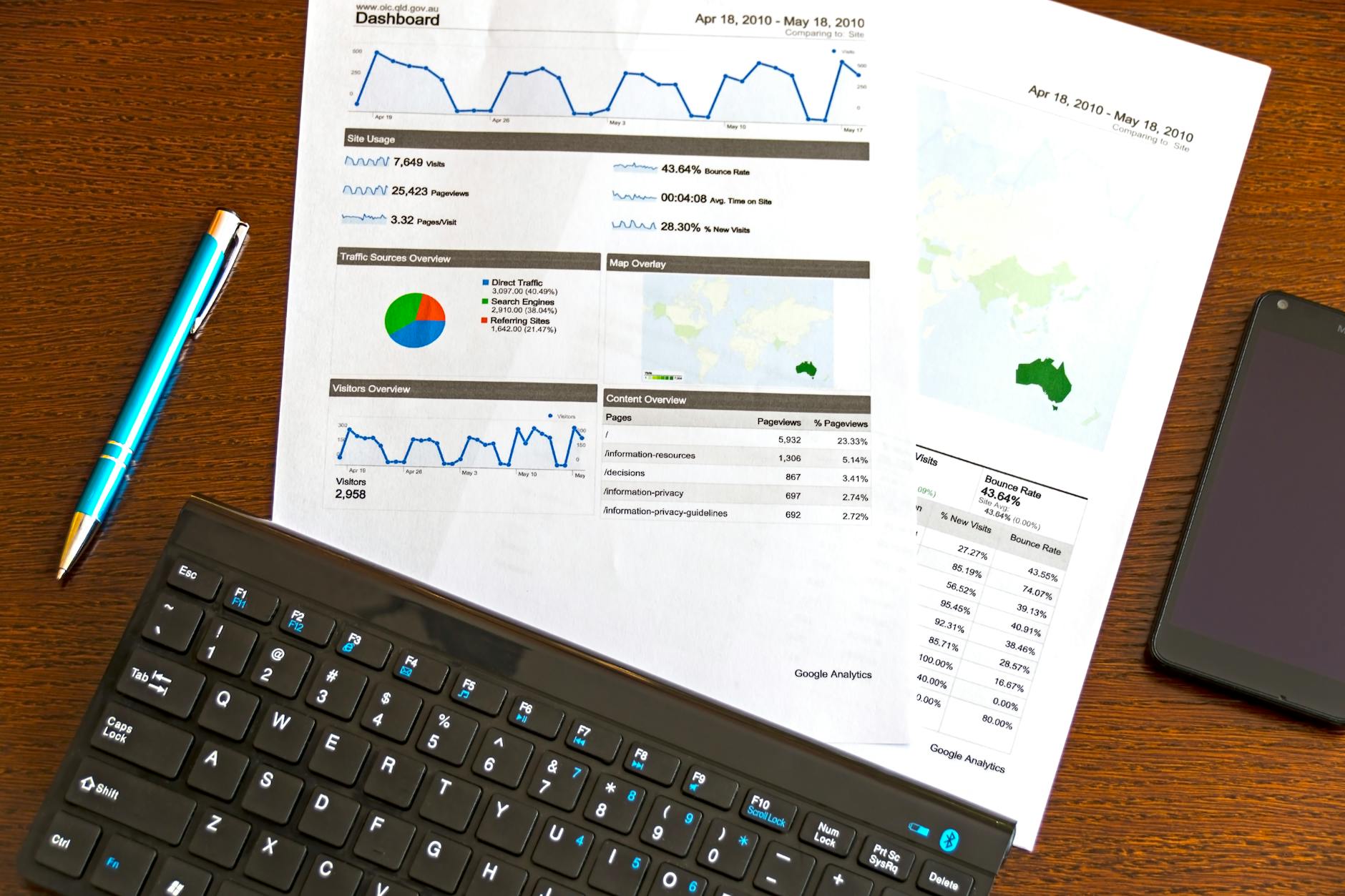
 Photo: Leeloo The First / Pexels
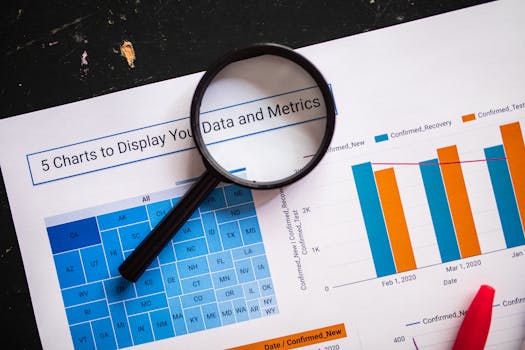 Photo: RDNE Stock project / Pexels
 Photo: Lukas Blazek / Pexels
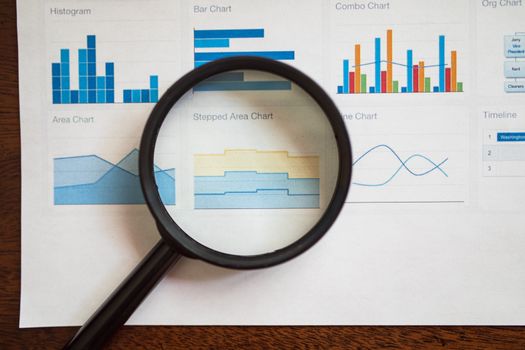 Photo: RDNE Stock project / Pexels