✓ Global ecommerce sales are projected to reach over $7 trillion by 2025.
✓ Online businesses can operate 24/7, reaching customers worldwide.
✓ Lower overheads compared to brick-and-mortar stores are a significant advantage.
✓ Data analytics from online sales provide invaluable customer insights.
How It Works
1
Choose Your Platform
Select an ecommerce platform like Shopify or WooCommerce that suits your business needs and technical comfort. This platform will host your online store and manage transactions.
2
List Your Products
Upload high-quality product images, detailed descriptions, and accurate pricing. Optimize product listings for search engines to improve visibility.
3
Set Up Payments & Shipping
Integrate secure payment gateways and establish clear shipping policies. Offer various shipping options to cater to different customer preferences and locations.
4
Market Your Store
Promote your online store through digital marketing channels such as social media, email marketing, and search engine optimization. Drive traffic to your products and convert visitors into customers.
Unprecedented Reach and Market Expansion through Digital Sales
Photo: Wojciech Kotlicki / Pexels
One of the most compelling benefits of selling products online is the ability to transcend geographical boundaries. Unlike traditional brick-and-mortar stores, which are limited by their physical location and local foot traffic, an online store operates on a global scale. This means your products can be discovered and purchased by customers not just across the United States, but around the world. Imagine a small artisan in rural Nebraska suddenly having access to buyers in New York City, London, or Tokyo – this is the power of ecommerce. This expanded reach doesn't just mean more potential customers; it also means diversified revenue streams and reduced reliance on a single market. When you sell online, your business is open 24 hours a day, 7 days a week, 365 days a year. This constant availability means customers can browse and purchase at their convenience, regardless of time zones or store operating hours. This 'always-on' nature significantly increases sales opportunities, as you're never truly closed for business. For businesses looking to scale rapidly, this global accessibility is a game-changer. It allows for testing new markets with minimal investment, gathering international customer feedback, and adapting product offerings to meet diverse global demands. Furthermore, digital platforms often come with built-in tools for international shipping and currency conversion, simplifying the complexities of cross-border trade. Embracing this global perspective is not just about increasing sales; it's about building a resilient, future-proof business that isn't constrained by traditional limitations. The internet has democratized commerce, giving even the smallest businesses the ability to compete on a global stage, leveraging the vast potential of the worldwide market. This unparalleled market expansion is a cornerstone of modern business growth and a primary reason why so many entrepreneurs are shifting their focus to ecommerce.
Significant Cost Reductions and Enhanced Profit Margins
Photo: www.kaboompics.com / Pexels
Another powerful advantage when considering the benefits of selling products online is the substantial reduction in operational costs compared to traditional retail. Opening a physical store involves a myriad of expenses: rent for a prime location, utilities, property taxes, insurance, security, and the considerable cost of hiring and managing a large sales staff. For many startups and small businesses, these upfront and ongoing costs can be prohibitive, often acting as a barrier to entry. Selling online, however, dramatically minimizes these expenditures. While there are still costs associated with website hosting, platform fees, and digital marketing, they are generally far lower and more scalable than those of a physical storefront. You don't need a large physical space; often, a home office or a small warehouse is sufficient. This reduction in overhead directly translates to enhanced profit margins. With less money tied up in fixed costs, businesses have more capital to invest in product development, marketing, or improving the customer experience. Moreover, the ability to automate many aspects of the sales process, from order taking to inventory management, further reduces labor costs. Online tools and integrations can streamline operations, requiring fewer human resources to manage the same volume of sales. This efficiency not only saves money but also frees up valuable time for business owners to focus on strategic growth initiatives rather than day-to-day operational burdens. The flexibility of an online model also allows businesses to adapt quickly to market changes without the significant investment required for a physical store revamp. This agility, combined with lower operating costs, makes selling online a financially attractive and sustainable business model for a wide range of products and services, ultimately leading to a healthier bottom line and greater financial stability.
Powerful Data Analytics and Personalized Customer Experiences
Photo: Negative Space / Pexels
One of the often-underestimated benefits of selling products online is the wealth of data you can collect and analyze. Every click, every view, every purchase, and even abandoned carts generate valuable data points that provide deep insights into customer behavior, product performance, and marketing effectiveness. Unlike traditional retail where understanding customer patterns is often based on observation and anecdotal evidence, ecommerce platforms offer sophisticated analytics tools that track everything. You can pinpoint which products are most popular, which marketing channels drive the most sales, where customers are dropping off in the sales funnel, and even the demographics of your buyers. This data-driven approach allows for highly informed decision-making. Instead of guessing what your customers want, you can see it in the numbers. This leads directly to the ability to create highly personalized customer experiences. With data on past purchases, browsing history, and preferences, you can segment your audience and tailor marketing messages, product recommendations, and even website content to individual customers. Imagine sending an email with products specifically chosen based on a customer's previous purchases, or offering a discount on an item they viewed but didn't buy. This level of personalization not only enhances the customer journey but also significantly increases conversion rates and fosters stronger customer loyalty. Furthermore, A/B testing different website layouts, product descriptions, or pricing strategies becomes incredibly easy with online platforms, allowing for continuous optimization based on real-time data. This iterative improvement process, fueled by robust analytics, is a significant competitive advantage that is difficult to replicate in a purely offline setting. For any business serious about understanding its market and building lasting customer relationships, the analytical capabilities provided by ecommerce are indispensable.
Building Brand Authority and Direct Customer Relationships Online
Photo: Negative Space / Pexels
Beyond sales and cost efficiency, selling products online offers an unparalleled opportunity to build and control your brand narrative and foster direct relationships with your customers. In the digital space, your website is your brand's flagship store, entirely under your control. You dictate the aesthetic, the messaging, and the overall user experience, ensuring consistency and reinforcing your brand identity at every touchpoint. This level of control is often diluted when selling through third-party physical retailers. An online presence allows you to tell your brand story through engaging content – blogs, videos, and detailed 'about us' pages – connecting with customers on a deeper, more emotional level. This storytelling capability builds authenticity and trust, which are crucial in today's competitive landscape.
Direct communication channels like email marketing, live chat, and social media engagement become central to your customer relationship strategy. You can gather direct feedback, address concerns immediately, and build a community around your brand. This direct line of communication eliminates intermediaries, allowing you to understand your customers' needs firsthand and respond with agility. This leads to higher customer satisfaction and loyalty, as customers appreciate feeling heard and valued. Moreover, owning your customer data means you have a valuable asset for future marketing and product development, rather than relying on fragmented information from third-party sellers.
Tips for leveraging online presence for brand building:
* **Invest in high-quality website design:** Your site is your digital storefront; make it professional and user-friendly.
* **Create compelling content:** Share your brand's story, values, and product benefits through various media.
* **Actively engage on social media:** Respond to comments, run polls, and share user-generated content.
* **Implement a robust email marketing strategy:** Nurture leads, announce new products, and offer exclusive deals.
* **Prioritize customer service:** Offer multiple channels for support and respond promptly to inquiries.
* **Encourage reviews and testimonials:** Social proof is powerful for building trust and credibility.
Comparison
Feature
Online Store
Physical Store
Marketplace (e.g., Etsy)
Initial Setup Cost
Low to Moderate
High
Low
Global Reach
✓
✗
✓
Operating Hours
24/7
Limited
24/7
Control Over Brand
High
High
Moderate
Customer Data Access
Extensive
Limited
Limited
Scalability
High
Moderate
Moderate
Marketing Costs
Variable (Digital)
High (Traditional)
Variable (Platform-dependent)
What Readers Say
★★★★★
"Moving my handmade jewelry business online was the best decision. I've seen my customer base expand from local craft fairs to national orders, and my profits have soared. The flexibility is incredible."
Sarah J. · Austin, TX
★★★★★
"We started selling our specialty coffee beans online and immediately noticed the difference in overhead. No more expensive retail leases, just direct sales and happier customers. The benefits of selling products online are undeniable for small businesses."
Mark D. · Miami, FL
★★★★★
"Before, I could only sell my art locally. Now, thanks to my online store, I'm shipping pieces across the country every week. My income has tripled, and I love connecting with a global audience."
Emily R. · Denver, CO
★★★★★
"While setting up the website took some effort, the long-term benefits of selling products online far outweigh the initial learning curve. The data I get on customer preferences is incredibly helpful for future product development."
David L. · Seattle, WA
★★★★★
"As a stay-at-home parent, selling my custom printed t-shirts online has given me the flexibility to earn income on my own schedule. It’s amazing how many people I can reach without ever leaving my home."
Jessica M. · Boston, MA
Frequently Asked Questions
What are the primary benefits of selling products online?
The primary benefits include an expanded global reach, significantly reduced operational costs compared to physical stores, the ability to operate 24/7, access to rich customer data for personalized marketing, and greater control over your brand and customer relationships. These advantages enable businesses to scale more efficiently and effectively.
Is it difficult to set up an online store if I'm not tech-savvy?
Not at all. Modern ecommerce platforms like Shopify, Squarespace, and Wix have made it incredibly user-friendly to set up an online store with drag-and-drop interfaces and pre-designed templates. Many even offer excellent customer support and extensive documentation to guide you through the process, making it accessible for beginners.
How do I market my products effectively once I start selling online?
Effective online marketing involves a multi-channel approach. Key strategies include Search Engine Optimization (SEO) to rank higher in search results, social media marketing, email marketing to nurture leads and retain customers, paid advertising (e.g., Google Ads, Facebook Ads), and content marketing through blogs or videos. Consistency and understanding your target audience are crucial.
What are the typical costs associated with selling products online?
Costs can vary widely but generally include ecommerce platform subscription fees (monthly/annual), payment processing fees (per transaction), website hosting (if self-hosted), domain name registration, and potentially costs for premium themes, apps, or marketing efforts. These are often significantly lower than the costs of maintaining a physical storefront.
How does selling online compare to selling through a physical retail store?
Selling online offers greater scalability, lower overheads, 24/7 global access, and extensive data analytics. Physical stores provide a tangible shopping experience and immediate product gratification but come with higher fixed costs, limited reach, and restricted operating hours. Many businesses find a hybrid approach (omnichannel) to be most effective.
Who should consider leveraging the benefits of selling products online?
Virtually any business or individual with products to sell can benefit. This includes small artisans, local boutiques, established brands looking to expand, startups, entrepreneurs, and even service-based businesses offering digital products. If you want to reach a wider audience, reduce costs, and gain deeper customer insights, selling online is a strategic move.
Are there security risks involved in selling products online?
While online transactions inherently carry some risk, reputable ecommerce platforms and payment gateways employ robust security measures like SSL encryption, fraud detection, and PCI DSS compliance to protect both sellers and customers. It's crucial for sellers to use secure platforms, maintain strong passwords, and stay informed about cybersecurity best practices.
What future trends might impact the benefits of selling products online?
Future trends include the rise of AI-powered personalization, increased adoption of augmented reality (AR) for virtual try-ons, voice commerce, sustainable ecommerce practices, and the continued growth of social commerce. Businesses that adapt to these trends will further enhance the benefits they gain from selling online.
Embrace the digital revolution and unlock the vast potential for your business. By understanding and leveraging the numerous benefits of selling products online, you can achieve unprecedented growth, connect with a global audience, and build a resilient, profitable enterprise. Start your online journey today and transform your business's future.

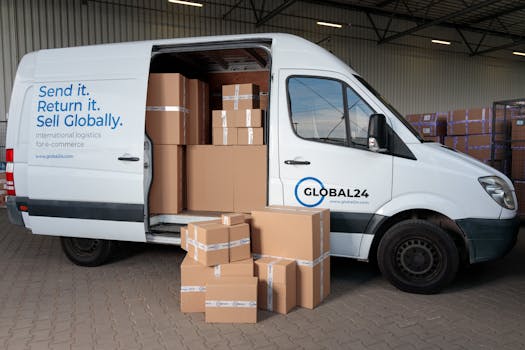 Photo: Wojciech Kotlicki / Pexels
 Photo: www.kaboompics.com / Pexels
 Photo: Negative Space / Pexels
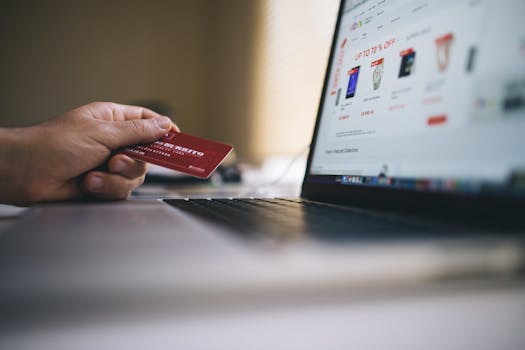 Photo: Negative Space / Pexels