
Unlock Growth: The Benefits of Selling Online
Explore how selling online can revolutionize your business, offering unparalleled reach and efficiency.
Start Selling Online NowKey Takeaways
- ✓ Global e-commerce sales are projected to reach over $7 trillion by 2025.
- ✓ Online businesses can operate 24/7, reaching customers across different time zones.
- ✓ Lower overhead costs are a significant advantage for online sellers compared to brick-and-mortar stores.
- ✓ The ability to collect valuable customer data helps personalize experiences and improve marketing.
How It Works
Select an e-commerce platform that aligns with your business needs, such as Shopify, WooCommerce, or Etsy. Consider ease of use, scalability, and features.
Design your online storefront, add product listings with high-quality images and descriptions, and configure payment gateways. Ensure your site is user-friendly and mobile-responsive.
Promote your online store through various channels like social media, search engine optimization (SEO), email marketing, and paid advertisements. Drive traffic to your new digital storefront.
Process incoming orders, manage inventory, and handle shipping and delivery. Provide excellent customer service to build trust and encourage repeat purchases.
Unlocking Unprecedented Market Reach and Global Access
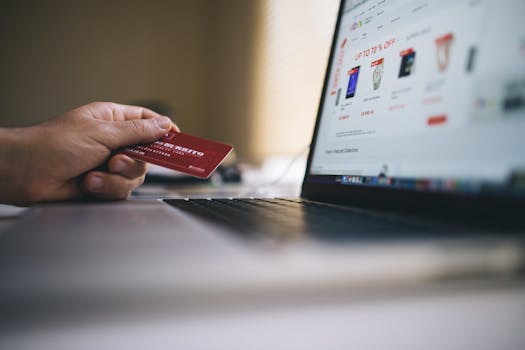 Photo: Negative Space / Pexels
Furthermore, the internet operates 24 hours a day, 7 days a week, 365 days a year. This means your online store is always open for business, regardless of time zones, public holidays, or even natural disasters that might force physical stores to close. This constant availability is a significant advantage, allowing customers to shop at their convenience, whether it's late at night, early in the morning, or during their lunch break. For businesses, this translates into continuous sales opportunities and revenue generation, without the need for additional staffing or extended operating hours typically associated with physical retail. It also caters to the modern consumer's expectation of instant gratification and anytime access to products and services. The ability to shop outside traditional business hours is a major draw for busy individuals, increasing the likelihood of purchases. This round-the-clock operation also dramatically reduces the barrier to entry for small businesses and entrepreneurs who may not have the resources to staff a physical location for extended hours. It democratizes commerce, allowing anyone with a product and an internet connection to compete on a global scale. The sheer volume of potential customers coupled with perpetual availability fundamentally reshapes the potential for business growth and profitability, making the online channel an indispensable tool for any forward-thinking enterprise. Understanding the various types of e-commerce business models can further help you leverage this expansive reach effectively.
Significant Reduction in Operational Costs and Overhead
 Photo: Dany Kurniawan / Pexels
The reduction in staffing costs is another major financial advantage. A physical store requires employees to manage sales, stock inventory, handle customer service, and ensure security during operating hours. An online store, especially in its early stages, can often be managed by a single individual or a small team, with many processes automated through the e-commerce platform. Order processing, inventory tracking, and even basic customer inquiries can be streamlined or handled by software, reducing the need for extensive human intervention. This doesn't mean customer service is neglected; rather, it means resources can be allocated more efficiently. For example, chatbots can handle common questions 24/7, freeing up human agents for more complex issues during business hours. Furthermore, inventory management can be more flexible. Instead of needing a large backroom or warehouse attached to a physical store, online businesses can utilize third-party logistics (3PL) providers, dropshipping models, or manage inventory from a smaller, more affordable off-site location. This flexibility in inventory management further cuts down on real estate costs and reduces the risk associated with holding large amounts of stock. By lowering the financial barrier to entry and ongoing operational expenses, selling online empowers more entrepreneurs to launch and scale their businesses, fostering innovation and competition in the marketplace. It allows businesses to allocate more capital towards product development, marketing, and customer acquisition, rather than being burdened by high fixed costs.
Enhanced Data Insights, Personalization, and Marketing Opportunities
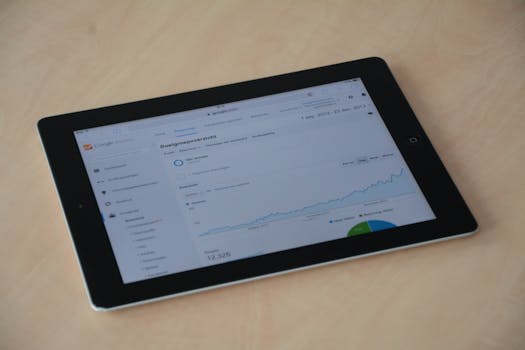 Photo: weCare Media / Pexels
This data also fuels powerful personalization strategies. With insights into individual customer preferences and past behaviors, online stores can offer highly relevant product recommendations, tailored promotions, and customized marketing messages. Imagine a customer who frequently buys organic skincare products receiving an email about a new line of natural serums, or seeing those products featured prominently on their next visit to your store. This level of personalization significantly enhances the customer experience, making shoppers feel understood and valued, which in turn builds loyalty and drives repeat purchases. It moves away from generic, one-size-fits-all marketing to highly targeted communication that resonates with the individual. This is a critical differentiator in today's competitive landscape, as consumers increasingly expect personalized interactions from brands.
Furthermore, the data collected online offers incredible opportunities for optimizing marketing efforts. Instead of broad, untargeted advertising campaigns, online businesses can leverage data to create highly segmented and targeted ads on platforms like Google, Facebook, and Instagram. You can target specific demographics, interests, or even re-target users who previously visited your site but didn't complete a purchase. This precision in marketing leads to higher conversion rates and a more efficient allocation of marketing budgets, ensuring your message reaches the most receptive audience. The ability to A/B test different website elements, product descriptions, or ad creatives and instantly analyze their performance allows for continuous optimization, a luxury rarely afforded in traditional retail. Understanding how to effectively utilize e-commerce analytics is crucial for harnessing these benefits and driving sustainable growth.
Tips for Maximizing the Benefits of Selling Online
 Photo: Nataliya Vaitkevich / Pexels
Comparison
| Feature | Selling Online | Physical Store | Hybrid Model |
|---|---|---|---|
| Market Reach | Global, 24/7 | Local, Limited Hours | Global & Local |
| Overhead Costs | Low (Hosting, Platform fees) | High (Rent, Utilities, Staff) | Moderate (Both costs) |
| Customer Data | Extensive & Actionable | Limited & Observational | Extensive (Online) & Observational (Physical) |
| Scalability | High & Rapid | Challenging & Slow | Moderate |
| Inventory Management | Flexible (Dropship, 3PL) | Requires Dedicated Space | Flexible with dedicated space |
| Time to Launch | Days to Weeks | Months | Months |
What Readers Say
"Moving my handmade jewelry business online was the best decision. I went from selling at local markets to fulfilling orders across the country in just a few months. The reach is incredible!"
Sarah J. · Austin, TX"The low overhead of my online art print store allowed me to start with minimal capital. I love being able to run my business from home and reach collectors worldwide without a gallery space."
Mark D. · Miami, FL"After launching our gourmet coffee online, our sales increased by 300% in the first year. The data we collect helps us personalize offers, leading to amazing customer loyalty."
Emily R. · Seattle, WA"Selling online has been fantastic for growth, though managing shipping logistics can be a learning curve. The ability to connect with customers globally definitely outweighs the challenges."
David K. · Chicago, IL"As a busy mom, the flexibility of running my children's clothing boutique online is a huge benefit. I can process orders and update products on my own schedule, making it work for my lifestyle."
Jessica L. · Denver, COFrequently Asked Questions
Is selling online only for large businesses?
Absolutely not. One of the greatest benefits of selling online is its accessibility to businesses of all sizes, from individual entrepreneurs and small startups to large corporations. E-commerce platforms offer scalable solutions that can grow with your business, making it possible for anyone to start selling products or services with relatively low initial investment and technical expertise.
Do I need technical skills to set up an online store?
While some technical understanding can be helpful, it's not a prerequisite. Modern e-commerce platforms like Shopify, Squarespace, and Wix provide user-friendly interfaces with drag-and-drop builders, pre-designed templates, and extensive support resources. Many platforms are designed for non-technical users, allowing you to create a professional online store without coding knowledge.
How do I handle shipping and fulfillment when selling online?
There are several ways to manage shipping and fulfillment. You can handle it yourself by packing and shipping orders from your home or office. Alternatively, you can use dropshipping, where a third-party supplier ships products directly to your customers, or partner with a third-party logistics (3PL) provider who handles warehousing, packing, and shipping for you. The best option depends on your product type, volume, and budget.
What are the typical costs associated with selling online?
Costs can vary widely but generally include e-commerce platform subscription fees (monthly), website hosting (if not included with platform), domain name registration, payment processing fees (a percentage per transaction), and marketing expenses (SEO, ads, social media). These are often much lower than the fixed costs of a physical retail space, making online selling a cost-effective option.
How does selling online compare to selling on marketplaces like Amazon or Etsy?
Selling on your own online store gives you full control over branding, customer data, and profit margins. Marketplaces offer instant access to a large audience but come with fees, stricter rules, and less control over the customer experience. Many businesses use a hybrid approach, selling on marketplaces to gain exposure while also directing customers to their own branded online store for a more personalized experience.
Who benefits most from selling online?
Businesses that can package and ship their products efficiently, those with niche products that appeal to a broad geographic audience, and entrepreneurs seeking to minimize startup costs and maximize flexibility benefit most. Also, businesses looking to gather extensive customer data for personalized marketing and those aiming for rapid scalability find online selling particularly advantageous.
Is my customer data secure when selling online?
Reputable e-commerce platforms and payment gateways employ robust security measures, including SSL encryption, PCI DSS compliance, and fraud detection tools, to protect customer data and financial transactions. It's crucial for online sellers to choose secure platforms and maintain best practices for data privacy, such as using strong passwords and regularly updating security settings.
What are the future trends for online selling?
Future trends include increased personalization driven by AI, the growth of social commerce (selling directly through social media platforms), augmented reality (AR) for virtual try-ons, voice commerce, and a greater focus on sustainable and ethical e-commerce practices. Mobile commerce will continue to dominate, making mobile optimization essential for all online sellers.
Embrace the future of retail by leveraging the immense benefits of selling online. Expand your reach, reduce costs, and connect with customers globally to unlock unprecedented growth for your business. Start your digital journey today and transform your entrepreneurial dreams into a thriving online reality.